Dozens of Grand Canyon visitors were airlifted after a sudden flash flood killed at least two people and left one missing.
Story Snapshot
- Flash flooding hit Bright Angel Canyon around 2:30 p.m. Saturday, officials said.
- Rescuers airlifted about 62 people from Phantom Ranch and the lower North Kaibab Trail.
- At least two people died and one remains missing as damage assessments continue.
- Phantom Ranch and the North Kaibab Trail remain closed until further notice.
What Happened In The Canyon
National Park Service officials reported that flash flooding began in Bright Angel Canyon at about 2:30 p.m. on Saturday. Rangers quickly shut down Phantom Ranch and the full length of the North Kaibab Trail. The agency said it started air evacuations for about 50 people at Phantom Ranch soon after the flood began. Local outlets and national reports later put total rescues at around 62 people as operations continued into Sunday.
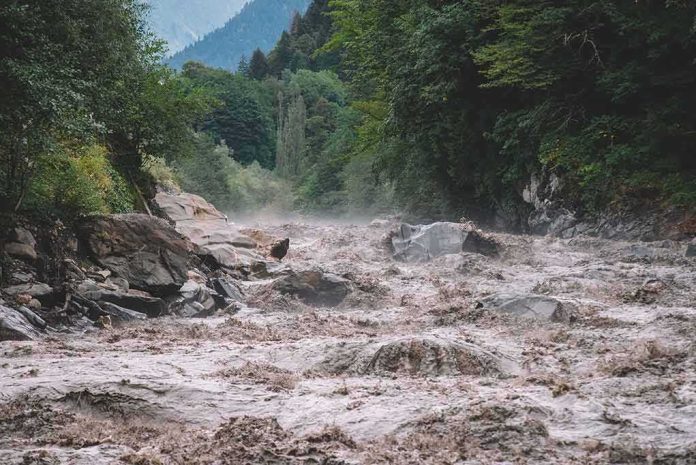
Reporters described water rising fast along inner-canyon routes and into camp areas. Helicopters flew evacuees out from Phantom Ranch and the lower North Kaibab Trail as crews searched damaged sections. Broadcasters and print outlets said the flood hit hardest near the river corridor and side canyons, where debris can funnel water into narrow paths with little warning. Officials emphasized that closures would remain while crews checked trails and facilities for damage.
Rescues, Losses, And Ongoing Searches
By Sunday morning, authorities and local reports said at least 62 people had been flown to safety, including hikers and other visitors in the inner canyon. Crews also reported fatalities linked to the flood, with two people confirmed dead and one person still unaccounted for as of the latest update from major outlets. Search teams focused on areas where water and debris likely trapped or swept people away. Air and ground units worked in shifts to cover the rugged terrain.
The initial National Park Service alert noted no injuries at the time of the first evacuation notice. Later updates from news organizations reflected the more serious toll that emerged as teams reached isolated spots. That step-by-step shift matches how canyon incidents often unfold: operational messages come first, while casualty counts and damage reports take longer to verify and release. Officials did not publish a final headcount for every lift, but they confirmed wide closures and ongoing checks.
Why Flash Floods Turn Deadly Here
Grand Canyon managers warn that flash floods can strike with little or no warning during monsoon season. Narrow canyons and steep side channels push water and debris into tight spaces, which can cut off trails fast. Park guidance urges hikers to move to higher ground at the first signs of rising or muddy water, and to avoid camping in washes or low spots during storms. The canyon’s deep walls and remote terrain make rescue flights the safest option once floods hit.
Weather pages and safety bulletins stress simple but urgent steps: check forecasts, study maps for escape routes, and leave early if skies darken. Visitors should expect closures after major floods while trail crews inspect bridges, switchbacks, and canyon crossings. Park alerts list which areas are shut and when they might reopen. After this weekend, Phantom Ranch and the North Kaibab Trail remained closed so authorities could inspect damage and continue search efforts.
What This Means For Visitors And Policy
This event shows how a single storm can overwhelm even popular, well-managed areas. Rescue teams did their job, and helicopters saved many lives. Still, people died, and some areas suffered heavy damage. Both frequent hikers and first-time visitors rely on clear alerts and working gear. Simple tools like weather radios, headlamps, and extra layers can buy time when plans fall apart in the backcountry.
Airlift for hikers caught in Grand Canyon flash flood #WorldNow pic.twitter.com/1bHk4vfvJE
— CGTN (@CGTNOfficial) September 1, 2026
Going forward, people across the political spectrum want parks to be safe, open, and honest. The public benefits when agencies post fast alerts and then share fuller details on rescues and losses. That balance helps families plan and helps taxpayers see what worked and what did not. Clear safety rules, steady maintenance, and fair access to information build trust after a hard weekend in one of America’s most treasured places.