
Libya’s top prosecutor says two pilots flew a private jet while drunk, then skidded off a Misrata runway and set the plane ablaze. The Public Prosecution announced on Wednesday, September 16, 2026, that both men are jailed pending investigation. The jet’s operator says it has seen no test result that proves it.
Story Snapshot
- Libyan prosecutors detained the pilot and copilot after a runway crash at Misrata Airport.
- Officials say investigators found evidence the crew flew while intoxicated; no deaths were reported.
- The operator, BKNJET, disputes the alcohol claim and says it has seen no documented test results.
- Key technical evidence, like toxicology data and flight recorders, has not been released publicly.
What Prosecutors Say Happened In Misrata
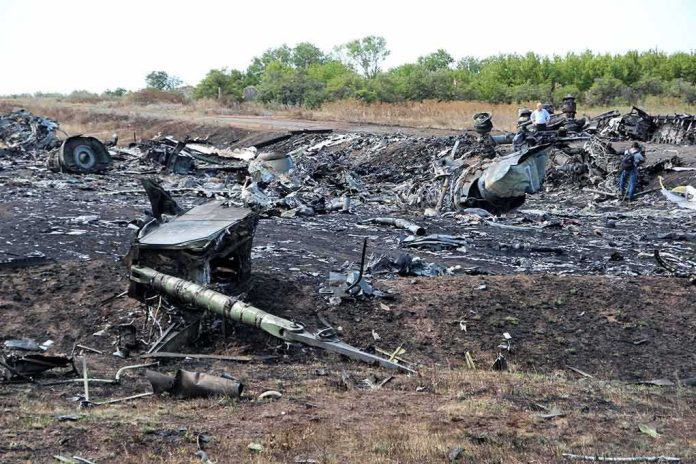
Libya’s Public Prosecution announced the detention of a pilot and a copilot after a private jet veered off the runway at Misrata Airport and caught fire. Prosecutors said their investigators confronted the crew with evidence they flew while drunk and ordered them held while the case moves forward. The Libyan News Agency summarized the Attorney General’s actions and linked the detentions to the crash inquiry, which reported no casualties at the scene. Multiple outlets echoed these official claims.
Libya arrests pilots accused of flying Turkish jet drunk before runway crashhttps://t.co/qRZXhHiooI
— Insider Paper (@TheInsiderPaper) September 16, 2026
Reports describe a runway excursion that ended with a fire, but without deaths or reported serious injuries. Coverage notes the jet was Turkish-owned, a detail that can inflame cross-border narratives. Prosecutors also cited broader safety-rule violations tied to the flight and airport operations. Those alleged lapses, they said, created risks to the aircraft, the airport, and the airspace, not just to the people on board. These are early findings, and courts have not ruled on them yet.
What The Company Says And What We Do Not Yet Know
The operator, BKNJET, rejected the intoxication claims and said both aviators completed the required medical checks after the incident under international rules. The company said it had not received any documented test result proving alcohol use and urged the public to avoid speculation until confirmed information is released. That denial creates a direct dispute with the prosecution’s account. The pilots’ identities and nationalities have not been confirmed in primary public documents.
Key evidence remains out of public view. No toxicology report, blood-alcohol level, lab method, or chain-of-custody record has been released. There is also no public accident reconstruction tying impairment to the runway excursion. Investigators often review cockpit voice and flight data recorders, airport surveillance video, maintenance logs, and weather data before naming a cause. That type of technical dossier has not yet been published here.
Why This Case Resonates Beyond Libya
Aviation inquiries often start with a human-factor claim, like pilot error or impairment, because it is simple to explain and fast to announce. Final answers usually arrive later, when agencies release reports that include toxicology, data traces, and expert analysis. Past international cases show impairment has caused some crashes, while others cleared crews after tests found no alcohol or drugs. That is why source documents matter to settle blame and to prevent repeat events.
For readers in the United States, this episode hits a wider nerve. People across the political spectrum worry that powerful institutions move first with headlines and only later with proof. When prosecutors lead with a blunt claim and technical reports lag behind, trust suffers. Public safety demands speed, but justice demands evidence. The best path forward is clear: publish the tests, the data, and the full timeline so the facts, not factions, decide what went wrong in Misrata.
Sources:
insiderpaper.com, turkiyetoday.com, news.detik.com, skynewsarabia.com