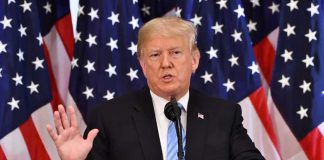

New bodycam footage of Tony Romo’s OWI stop shows a tense, confusing roadside encounter that many Americans see as one more sign our justice system treats famous faces and everyday drivers differently.
Story Snapshot
- Bodycam video shows Romo arguing with a deputy, insisting he had “zero” drinks, and demanding to call his lawyer before roadside tests.
- Deputies say he was stopped after “unsafe passing on the right,” then arrested on suspicion of operating while intoxicated when he “performed poorly” on field sobriety tests.
- Romo later refused a breath test, saying lawyers told him “don’t ever do that,” and was cited for first-offense OWI and test refusal.
- The case is treated as a civil traffic offense in Wisconsin, with no public blood-alcohol result yet, raising questions about evidence, fairness, and media spin.
What the new bodycam video actually shows
Milwaukee County deputies stopped former Dallas Cowboys quarterback Tony Romo on southbound Interstate 43 on July 23, after saying he made an unsafe pass on the right and cut over a marked lane area near downtown. In the bodycam clips now released, the deputy walks up to Romo’s Jeep and explains the reason for the stop. Romo tells her he is coming from a golf tournament and heading to his grandparents’ house, and he quickly adds that he has had “zero” drinks.
When the deputy asks Romo to step out for field sobriety tests, he pushes back and asks to call his attorney first. He even starts filming the stop on his phone. The deputy repeats that he must exit the vehicle, saying he is being detained on suspicion of operating while intoxicated and needs to move to a safer spot for testing near the highway. After back-and-forth argument, Romo finally gets out and walks with the deputy to where the tests will take place.
Tony Romo. Body Cam oui. pic.twitter.com/aQWyUk20I2
— jav (@janevac22) July 29, 2026
Field tests, refusal of a breath test, and the charges
On camera, Romo goes through a set of roadside sobriety exercises, including walking heel-to-toe and standing on one leg. He asks the deputy several times to clarify instructions and later says his past back surgeries make the balance tests hard. Deputies wrote in their report that he “performed poorly” on standardized field sobriety tests, which is the main reason they say they believed he was impaired and decided to arrest him on suspicion of operating while intoxicated.
After the tests, the deputy asks Romo to take a breath test for alcohol, and the video shows him refusing. He tells the officer, “I’ve heard from all the lawyers, don’t ever do that.” Court records say he was cited for first-offense operating while intoxicated and for refusing to take a test for intoxication after arrest. Romo was handcuffed, taken to jail, booked, and then released, with his first court date set for September 21. Under Wisconsin law, a first OWI is usually handled as a civil traffic case, not a criminal charge.
Evidence gaps and why this feels unfair to many people
So far, the public record shows officer observations, roadside tests, and Romo’s refusal, but no released blood-alcohol or other lab result. That matters because many Americans already feel police and courts lean on vague “signs of impairment” when regular drivers are stopped, while powerful people often get lawyers and deals that never show up clearly on the record. Here, a famous analyst is treated as a civil traffic offender, which can look soft to some and harsh to others.
For viewers on both the right and the left, this case taps into deeper worry about how rules are enforced. Conservatives who are tired of double standards see a celebrity whose word and resources may carry more weight than a working driver’s. Liberals who focus on unequal justice see another example of an officer’s judgment shaping a person’s fate before any hard science is shared. Both sides know the system often moves faster than the truth, especially when cameras and headlines get there first.
Police power, individual rights, and the “deep state” concern
Watching Romo argue to call his lawyer while the deputy insists he must first comply brings up basic questions about rights that matter to everyone. How much power should officers have on the roadside to deny a phone call, demand tests, and then call refusal “evidence” of guilt? Many citizens already suspect that a self-protective “system” bends rules when it suits their case and shrugs when it hurts an ordinary person. This video will likely deepen that concern.
At the same time, drunk driving is a real threat, and communities want police to stop dangerous behavior before someone dies. Deputies say Romo’s lane change was unsafe, his eyes looked impaired, and his balance during tests worried them, so they acted. The problem is that viewers see only edited clips and secondhand summaries, not the full reports, training records, or lab data that would show if the stop was solid or rushed. That gap is why so many Americans, regardless of party, feel like they are asked to “trust the system” without ever seeing the full playbook.
Sources:
thegatewaypundit.com, nytimes.com, nbcnews.com, nypost.com, tmj4.com, cbsnews.com, wisn.com, abcnews.com, okcfox.com, abc7ny.com, sports.yahoo.com, youtube.com, kltv.com, reddit.com, apnews.com