

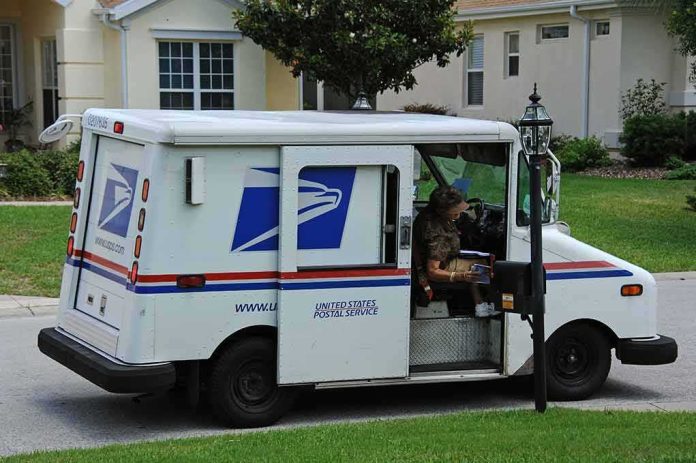
Neighbors thought their missing pets had vanished forever—until deputies say they found more than 90 cats and dogs crammed into a Florida mail carrier’s feces-filled house.
Story Snapshot
- Deputies say a 77-year-old mail carrier kept at least 92 animals in filthy, dangerous conditions inside her home.
- Investigators believe she spent years collecting cats along her postal route, turning her house into what the sheriff calls an “animal jail.”
- Some seized animals had microchips and have already been linked back to owners who reported missing pets.
- The case exposes how an overstretched system let warnings pile up for years before anyone stepped in to protect the animals—or the community’s trust.
Deputies find “worst animal hoarding case” in a Florida neighborhood
Martin County deputies say they entered Gail Giustino’s home in Stuart, Florida, under a search warrant and found more than 90 animals living in extreme filth and heat. Authorities and rescue workers reported at least 80 cats and 12 dogs in cages, surrounded by waste that in some spots was up to a foot deep. The sheriff said the smell of urine and feces was so strong it carried to the street and posed a health risk even to first responders.
Officials say the house had no proper air conditioning, little ventilation, and temperatures that topped 100 degrees inside. The sheriff described animals “standing on top of six inches of feces” and called the scene a “living hell” for the pets. Firefighters were brought in just to add ventilation so rescuers could work safely. The Humane Society of the Treasure Coast is now caring for the animals, many of which are underweight or dealing with skin and dental problems.
From mail route to animal “jail”: how the collection grew
Giustino, a 77-year-old letter carrier for the United States Postal Service, had worked her route since the late 1990s. Investigators say she spent years “collecting cats” she found along that route and bringing them home, where they were then confined indoors. The sheriff claimed she “never walks the pets” and “never brings them outside,” saying they had been trapped in an “animal jail” for as long as she had been hoarding them. Some reports stress she picked up feral strays, others say she stole cats, showing how the story itself is split.
This was not the first warning sign. Animal control officers had visited the home many times before and issued over 40 civil citations, and possibly up to 65, for poor animal care dating back to 2014 or 2015. Despite that long record, the earlier case was dismissed, and Giustino continued to keep and add animals. Deputies say that when animal control recently tried for about a week to check conditions inside, she refused to cooperate, which pushed authorities to seek a search warrant. Only then did the full scale of the hoarding become clear.
Missing pets, microchips, and a muddled question of theft
For families in the neighborhood, the most painful part is the fear that beloved pets were taken right from their homes or yards. At least one woman has already been reunited with her cat Patchy, which disappeared seven months earlier and was found among the rescued animals. Officials say some of the seized dogs and cats have microchips, meaning they may belong to people who filed missing-pet reports and are now being contacted to reclaim them. The sheriff’s office has urged anyone with a missing pet to file a report and then work with the Humane Society to try to identify their animals.
Yet even as he described “stolen pets,” the sheriff also told one outlet that Giustino “didn’t steal somebody’s pet” and was likely collecting feral cats, calling the abuse “unintentional” and her actions a misguided attempt to help. Different news reports echo different sides of that message: some say she picked up strays along her route, others say she stole more than 80 cats. The case is still under investigation, and detailed records on microchips, ownership, and how each animal was found have not been released publicly. That leaves an open question about how many animals were beloved family pets and how many were truly feral.
Charges, mental health questions, and a system that waited too long
Giustino has been arrested and faces misdemeanor charges, including animal cruelty and confining an animal without enough food or water. The sheriff even noted she could have been charged with many more counts, given the number of animals, but prosecutors chose a smaller set of charges for now. Law enforcement officials have suggested she thought she was “doing the right thing” by rescuing cats, even while describing the suffering as severe. That mix of language points toward possible mental health issues and the complex nature of animal-hoarding cases, where intent and harm do not always match.
A Florida mail carrier is accused of secretly collecting pets from her delivery route—and deputies say they uncovered more than 100 cats and dogs living in horrific conditions.
It's the "worst animal hoarding case" the sheriff has ever seen. Investigators say animals were found… pic.twitter.com/GIDkFQfoiu
— Fox News (@FoxNews) August 1, 2026
The bigger problem goes beyond one mail carrier and her house. Local animal control wrote dozens of citations over more than a decade but still lacked the power, resources, or will to stop the hoarding until it became a crisis. Neighbors were left to wonder how so many animals could be kept in such visible filth without faster action. Many Americans already feel that government agencies respond only after disaster strikes, not when the first warning signs appear. Stories like this, with years of paperwork and no real fix, feed that frustration and deepen distrust in institutions that are supposed to protect both animals and people.
Sources:
facebook.com, foxnews.com, newsnationnow.com, bizpacreview.com, youtube.com