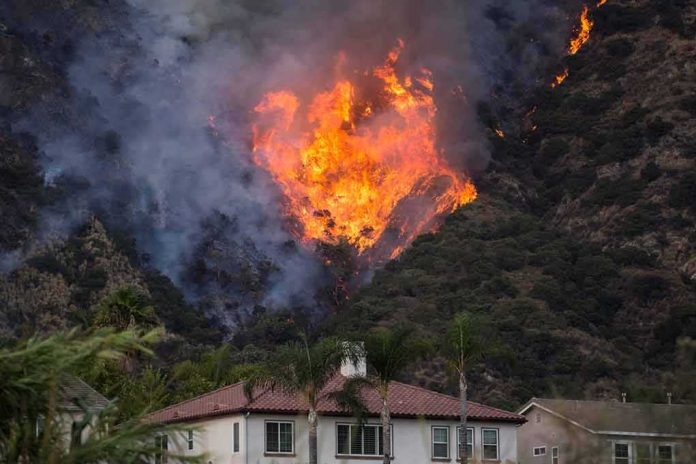
A Greek mayor has been placed in pre-trial detention over a wildfire near Athens, but the public record still points more clearly to an electrical ignition theory than to proof of intent.
Quick Take
- Greek authorities placed Mayor Giannis Apostolou and another suspect in pre-trial detention after a marathon interrogation.
- Investigators say the fire likely started from sparks near power lines linked to a private wind-farm network.
- The reported evidence supports a cause-of-fire theory, but it does not show direct proof of deliberate arson.
- The case comes amid a wider Greek wildfire crackdown that has produced many arrests and strong public pressure.
Detention Follows a Fast-Moving Criminal Case
Greek authorities placed the mayor of Stylida in pre-trial detention on charges tied to a wildfire that burned large forest areas west of Athens. Reporting says Giannis Apostolou and a contractor were detained after lengthy questioning by an investigating magistrate and a prosecutor. The suspects face felony-level accusations, including arson in a forest and damage to public utilities, which signals a serious criminal case rather than a routine safety inquiry.
The case centers on one key claim: investigators believe the blaze started with a spark from power cables near Agios Vasileios. Several reports say the line served a private wind-farm network and that Apostolou owned an electrical installation company linked to that project. One account says fire experts from Greece’s Arson Crimes Directorate concluded the fire likely began after intense electrical arcing between conductors ignited dry vegetation below the line.
What the Investigators Say Happened
The reporting describes a technical chain of events, not a random wildfire ignition. Investigators reportedly traced the start of the blaze to overhead power infrastructure tied to the wind farm, and one summary says the mayor’s construction company built the transmission line. That detail matters because it shifts the story from broad speculation about weather or chance toward a more specific question about infrastructure design, maintenance, and responsibility for the line.
But a technical ignition theory is not the same thing as proof of intentional arson. The public material available here does not show witness testimony, admissions, intercepted messages, or surveillance evidence tying Apostolou or the contractor to a deliberate act. It also does not include the underlying forensic file, magistrate order, or prosecutor memo, so readers can see the charge but not the full evidentiary record behind it.
Why the Broader Pattern Matters
This case arrives in a country where wildfire enforcement has become highly aggressive and politically sensitive. BBC reporting said Greek authorities made 79 arson arrests during wildfire outbreaks, and other coverage shows that many such cases involve negligence rather than intentional fire-setting. That wider pattern can push the public to treat arrests as proof, even when the factual record is still about fire origin, not criminal intent.
That gap between cause and intent is the main issue here. The available reporting supports the view that investigators found a possible electrical source and then moved quickly to detention and felony charges. It does not yet show, at least in the material provided, how prosecutors separated deliberate arson from an accident, a maintenance failure, or a regulatory breach. Until those records are public, the case will remain both a fire investigation and a test of how Greece handles high-stakes blame.
Sources:
insiderpaper.com, facebook.com, english.aawsat.com, nampa.org, info-grece.com, agerpres.ro, folhape.com.br, bbc.com