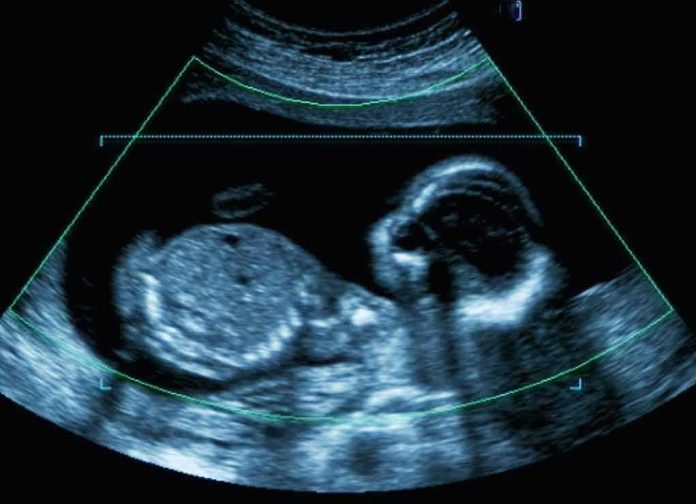
A 54-year-old woman in Athens has given birth to a healthy baby girl from an embryo frozen since 2004 — the same round of treatment that produced the son she buried last October.
Story Snapshot
- Christina Rapti-Dzelepi, 54, gave birth at a private Athens clinic from an embryo frozen in 2004.
- She had a son from that same 2004 procedure. He was killed in a car accident in October 2025.
- The embryo was transferred on December 23, 2025, roughly nine months before the birth.
- Her gynecologist, Konstantinos Pandos, is a senior figure in Greece’s reproductive medicine community and announced the birth publicly.
- More than 22 years between freezing and delivery puts this among the longest such intervals on record.
The Part That Makes This More Than A Record
Strip out the numbers and what is left is a family that lost a child and got another one back from the same decision made two decades earlier. In 2004 the couple went through fertility treatment and a son was born. Other embryos from that round went into storage, where they stayed for twenty-two years. In October 2025 the son was killed in a car accident. Fourteen months after that, his mother delivered a daughter who had been waiting, frozen, since before he was born.
That is not a coincidence the family stumbled into. The embryos existed because of a choice made in 2004, and the transfer happened on December 23, 2025, weeks after the funeral. Her doctor, Konstantinos Pandos, announced the birth publicly and called the timing deeply significant. For this family the embryo was never simply tissue in a freezer. It was a sibling, and it had been one the whole time.
Twenty-Two Years In Storage
Frozen embryos can in principle remain viable almost indefinitely, provided storage conditions never waver. The biology essentially stops. What has to hold is the equipment, the power supply, the monitoring and the institutional memory to keep paying attention to a small container for two decades. Longer intervals have been documented elsewhere — a pair of American twins were born from embryos frozen close to thirty years — so the Greek case is remarkable without being unprecedented.
Her age is the other reason the timing was tight. Greece permits embryo transfer later in life than most countries, with a ceiling in the mid-fifties, and she was near the edge of it. A few more months of deliberation and the legal window would have closed on its own. Whatever one thinks about treatment at that age, the decision in this case was made under a clock that was not going to wait for grief to finish.
What It Costs To Keep The Option Open
Cases like this get filed as medical miracles, and there is no harm in that. But the practical lesson is duller and more useful. The reason this birth was possible is that someone kept an unremarkable freezer running correctly for twenty-two years, and a legal framework existed that still permitted a transfer when the family finally needed it. Neither of those is luck. Both are decisions made long before anyone knew they would matter.
For couples storing embryos now, the question worth asking a clinic is not whether the science works — it does — but what happens to storage over decades: who monitors it, who pays for it, what the clinic’s policy is if it closes or changes hands. Twenty-two years is longer than most businesses last. That this one held is the quiet achievement underneath the headline.
A mother buried a son in October and delivered a daughter the following autumn, both from decisions made in a laboratory in 2004. The record for freezer time is the least interesting thing about it.