
Senator John Kennedy said Senate Republicans had no Texas money budgeted for Ken Paxton and asked President Trump to step in, turning a routine funding gap into a warning about a must-win seat.
Story Snapshot
- Kennedy said Senate Republicans had not budgeted funds for Texas and urged help from President Trump.
- Reports showed Ken Paxton trailed Democrat James Talarico in cash on hand earlier this summer.
- National Republicans later moved to help through a joint fundraising committee and a Trump-headlined fundraiser.
- The episode highlights how party budgeting signals priorities while other money channels still operate.
Kennedy’s On-Air Warning About Texas Funding
Senator John Kennedy said on television that Senate Republicans did not have money budgeted for the Texas Senate race and needed help from President Trump. Kennedy linked his comment to the party’s Senate campaign planning, not just a general fundraising appeal. The statement mattered because Texas is typically safe for Republicans. Losing it would shift control math in the Senate. Kennedy framed the issue as urgent, suggesting a funding shortfall could risk the seat if not fixed quickly.
Kennedy’s remark did not come with a budget document. No public filing lists a literal zero line item for Texas. His point focused on allocation, not total support from all sources. Party committees make plans, then adjust as races change. That is common in both parties. Still, the warning raised concern that the party’s Senate arm had not pre-committed funds to protect a seat many consider vital to the majority.
Paxton’s Early Cash Gap and Donor Hesitation
News outlets reported that Ken Paxton lagged Democrat James Talarico in available cash during key weeks of the summer. One report said Paxton had only a few million on hand around mid-spring to early summer, far below his opponent. Fewer small donors also signaled a shallow base, according to coverage that cited Federal Election Commission data. Those facts gave weight to Kennedy’s plea by showing a real money gap that could translate to fewer ads, ground staff, and voter outreach.
Federal Election Commission records confirm the Paxton campaign’s funding arc but cannot prove internal party budgeting choices. Official filings show what came in and what went out. They do not show when national party committees plan to reserve television time or staff. That gap in public records explains why Kennedy’s on-air statement carried weight. Viewers heard a senior senator say the quiet part out loud: planned help was not there yet, and time was short.
Rapid Shift: Joint Fundraising And A Presidential Boost
Within weeks of the warning, national Republicans took steps to help. The National Republican Senatorial Committee joined Paxton to set up a joint fundraising committee, which allows shared raising across committees under a set formula. Reporting also said the committee would assist with digital fundraising and direct mail, signaling a broader effort to close the resource gap. These moves did not disprove Kennedy’s earlier claim. They showed the party changing course once the risk became clear.
🚨 BREAKING: SENATE GOP SEEKS TRUMP CASH FOR PAxton
Louisiana Sen. John Kennedy says Senate Republicans have no money currently budgeted for Texas’ Senate race, urging President Donald Trump to step in financially for Republican candidate Ken Paxton.
Kennedy pointed to Trump’s… pic.twitter.com/1NiFivxfUl
— unfinancified (@unfinancified) August 31, 2026
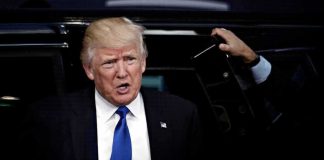
President Trump then headlined a Republican National Committee fundraiser in Houston to boost Paxton, answering Kennedy’s call for presidential-level help. That event aimed to inject needed cash fast and to rally major donors who had held back. The sequence—public warning, party structure, presidential event—illustrates how modern campaigns solve budget gaps. Leaders test the alarm in public, then build new channels to catch up before voting begins.
What This Says About Party Priorities And Voter Frustration
Campaigns today run on national money. Party budgets, joint fundraising committees, and outside groups often matter as much as the main campaign account. A race can lack pre-planned party funds, yet still get help through new committees or events. Kennedy’s message flagged a shortfall in planned spending, not a ban on all support. The later joint fundraising and Houston event showed how fast the system can pivot when power is at stake.
For many voters, the episode reinforces a wider worry: insiders move money late, after public pressure, while families face rising costs and weak services. People on the right see national committees slow-walking a “Make America Great Again” candidate. People on the left see party elites protecting power with big checks. Both read a system that serves itself first. The facts here show a real cash gap, an urgent plea, and a rapid elite fix—proof that attention, not need alone, drives action.
What To Watch Next In Texas
Watch official Federal Election Commission filings for the joint fundraising committee and Paxton’s authorized committees to see how much cash actually moves after the Houston event. Track ad reservations, field office growth, and staff hires as signs that the money is reaching voters. Look for more national committee involvement across Texas media markets. If funds scale quickly, the race tightens. If not, the early summer gap could still shape turnout and margins in November.
Sources:
thegatewaypundit.com, yahoo.com, fec.gov, politico.com, thehill.com, texastribune.org