
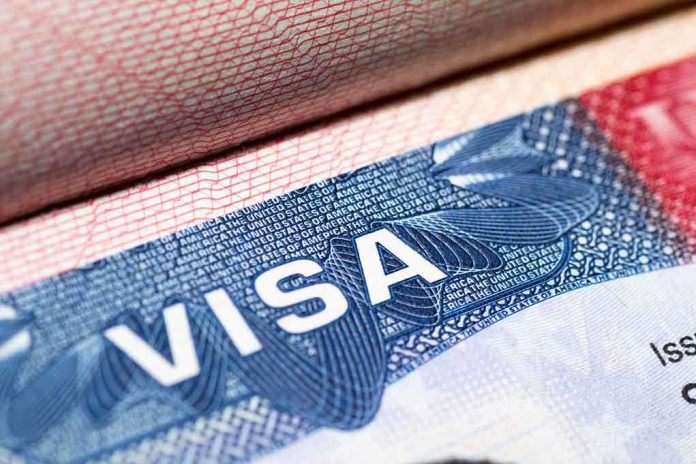
Trump administration shutters Afghan ally programs following a deadly shooting, leaving 243,000 Afghan allies who risked their lives for America abandoned to Taliban retribution while veterans cry betrayal.
Story Snapshot
- Trump halts all Afghan refugee and visa programs after November 2025 shooting by Afghan national
- 243,000 Afghan allies who aided U.S. forces now stranded, facing Taliban persecution
- Veterans groups denounce closure as “profound betrayal” of wartime promises
- Administration ends CARE office, TPS protections, and Operation Enduring Welcome by 2025
Security Incident Triggers Immigration Crackdown
The Trump administration’s decision to terminate Afghan ally programs stems from a November 2025 shooting in Washington, D.C. Rahmanullah Lakanwal, an Afghan CIA collaborator admitted under Biden’s parole program, killed one National Guard soldier and injured another. This single incident prompted President Trump to suspend all asylum decisions and visa applications for Afghan nationals. The administration argues this represents necessary security measures after vetting failures allowed a dangerous individual into the country through expedited pathways.
DHS Secretary Kristi Noem had already begun dismantling Afghan protections in early 2025, ending Temporary Protected Status affecting over 11,000 Afghans. The State Department simultaneously notified Congress of plans to close the Coordinator for Afghan Relocation Efforts office by July 1, 2025, despite the 2024 NDAA mandating its operation through December 2027. The White House’s 2026 budget proposal formalized the end of Operation Enduring Welcome by September 30, 2025.
Veterans Challenge Administration’s Blanket Response
Military veterans and advocacy organizations are pushing back against what they characterize as collective punishment for one individual’s actions. Shawn VanDiver, CEO of #AfghanEvac, tracks approximately 243,000 Afghan cases now frozen in processing pipelines, including 212,000 still in Afghanistan and 3,000 relatives of U.S. troops. Veterans argue these allies served alongside American forces in dangerous roles, including CIA “Zero Unit” members and Afghan National Army soldiers who disposed of IEDs.
Andrew Sullivan, executive director of No One Left Behind and former infantry commander, advocates for targeted vetting improvements rather than wholesale program shutdowns. He emphasizes using a “scalpel, not sledgehammer” approach to address security concerns while honoring commitments to allies who saved American lives. Veterans groups describe the current situation as forcing them to deliver “bad news” to allies who trusted U.S. promises of protection.
Congressional Republicans Withdraw Support
The shooting fundamentally altered Republican congressional support for Afghan ally programs. House Speaker Mike Johnson removed Afghan aid provisions from the National Defense Authorization Act following the incident. GOP lawmakers who previously supported bipartisan resettlement efforts now defer to Trump’s restrictionist approach. One Republican staffer told reporters the Afghan debate “must die,” signaling a complete political shift from earlier bipartisan consensus on honoring military commitments.
This represents a stark departure from historical Republican support for military allies. The 2024 NDAA included the CARE Authorization Act with bipartisan backing, yet the Trump administration proceeded with closures despite congressional mandates. Veterans organizations argue this political whiplash damages America’s credibility with future allies and undermines military recruitment by demonstrating unreliable support for those who risk their lives alongside U.S. forces.
Sources:
Trump administration to end Afghan relocation programs
Veterans defend Afghan ally programs as Trump closes doors
Republicans drop support for Afghans seeking asylum