
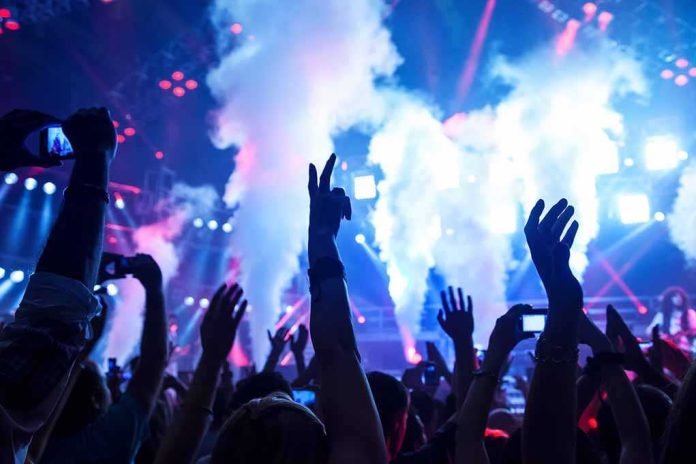
Lady Gaga commandeered her Tokyo concert stage to launch a political tirade against ICE enforcement operations, lecturing a Japanese audience about American immigration policy while Trump’s administration works to restore law and order at the border.
Story Snapshot
- Lady Gaga halted her January 29, 2026 Tokyo Dome concert to deliver an emotional speech attacking ICE operations
- The singer claimed immigrant families and children are being “mercilessly targeted” and their lives “destroyed” by federal enforcement
- She called on U.S. leaders to “have mercy” and change course on immigration enforcement policies
- The political statement was made on foreign soil rather than in America, raising questions about her choice of platform
Celebrity Activism From Overseas
Lady Gaga stopped her performance at Tokyo Dome during “The Mayhem Ball” tour to deliver an impassioned critique of U.S. Immigration and Customs Enforcement. The singer told her Japanese audience that her “heart is aching thinking about the people, the children, the families all over America who are being mercilessly targeted by ICE.” She specifically referenced Minnesota communities allegedly “living in so much fear” and claimed entire communities were losing their “sense of safety and belonging.” The timing of her speech, delivered from foreign soil while the Trump administration works to enforce existing immigration law, demonstrates how Hollywood celebrities continue using their platforms to oppose border security measures.
Emotional Appeals Over Legal Reality
The pop star’s rhetoric painted ICE enforcement as causing widespread destruction, stating “their lives are being destroyed right in front of us.” She claimed this enforcement “breaks something in all of us” and dedicated a song to “everyone who is suffering, to everyone who’s feeling alone and helpless.” This framing ignores the constitutional mandate to enforce immigration law and the fact that ICE targets individuals who have violated federal statutes. Her appeal for leaders to “change your course of action swiftly and have mercy” fundamentally misrepresents lawful enforcement as cruelty, a common tactic among those opposing secure borders and national sovereignty.
Selective Outrage and Missing Context
Lady Gaga’s statement notably lacked any acknowledgment of American citizens victimized by illegal immigration or the constitutional authority of federal immigration enforcement. She made no mention of the communities devastated by fentanyl trafficking, human smuggling operations, or criminal activity facilitated by porous borders that the previous administration enabled. Her choice to deliver this message in Japan, rather than addressing American voters directly at home, suggests a disconnect from the concerns of everyday Americans who overwhelmingly support immigration enforcement. The singer mentioned she would be “heading home in a couple of days,” having used an international stage to undermine U.S. policy while enjoying the security of American citizenship herself.
'LIVES ARE BEING DESTROYED': Lady Gaga calls out ICE during a Tokyo Dome concert in Japan.
"My heart is aching thinking about the people, the children, the families all over America who are being mercilessly targeted by ICE." pic.twitter.com/xS4KUOIZv2
— Fox News (@FoxNews) January 31, 2026
Political Theater Versus Border Security
This concert speech exemplifies how entertainment elites leverage their platforms to advance political narratives that contradict the values of hardworking Americans who elected Trump to restore border security. Lady Gaga’s emotional appeals ignore the distinction between legal and illegal immigration, presenting all enforcement as inherently cruel. Her call for “mercy” disregards the mercy owed to American citizens whose communities have suffered from years of failed border policies. The Trump administration’s commitment to enforcing immigration law represents a return to constitutional governance and the rule of law, priorities that resonate with Americans tired of open-border advocacy from celebrities who live insulated from the consequences of such policies. Her statement generated media coverage but offered no substantive policy alternatives or acknowledgment of legitimate enforcement concerns.