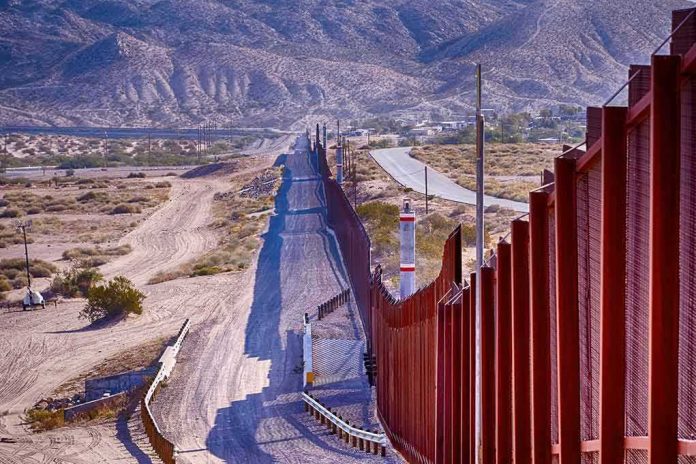
A federal judge cleared the way for 62 miles of new border wall along a tribal reservation, underscoring how hard it is for communities to check federal power in court at crunch time.
Story Snapshot
- A judge denied the Tohono O’odham Nation’s bid to pause border wall construction across its reservation.
- The court said the tribe did not show the project would change reservation boundaries or amount to trespass.
- The ruling leans on the century‑old Roosevelt Reservation to justify building on nearby federal land.
- The tribe’s core lawsuit continues, keeping sovereignty and land claims alive.
What the Ruling Decides Right Now
U.S. District Judge Richard Leon in Washington, D.C., denied the Tohono O’odham Nation’s request for a preliminary injunction to stop the Trump administration from building 62 miles of border wall along the tribe’s southern boundary with Mexico. The judge said the tribe had not shown that construction would change reservation boundaries without Congress or that the project would trespass on tribal land. The order allows planning and early steps to proceed while the case continues.
The ruling references the Roosevelt Reservation, a 60‑foot strip of public land set aside along much of the border more than a century ago, to explain why work can occur on federal ground adjacent to the reservation. Judge Leon wrote that building a wall next to a reservation does not necessarily shrink its borders. That point matters because the tribe’s emergency request hinged on showing clear, immediate legal harm tied to boundary changes or unlawful entry.
What the Tribe Argued and What Still Lives in Court
The Tohono O’odham Nation argues the plan is unlawful because only Congress can change reservation boundaries, and it says the project would trespass on tribal land without consent. The complaint cites 25 U.S.C. § 398d and asks the court to declare the agency’s actions beyond its legal power. The judge’s move does not end those claims. It only says the tribe did not meet the high bar for an emergency order. The main lawsuit continues toward fuller briefing and evidence.
Tribal leaders and allies frame the dispute as a test of sovereignty, cultural protection, and fair process. They point to years of cooperation with federal border agents and say a wall risks sacred places and daily life on the reservation. The broader record shows tribes often face steep odds when they seek fast court orders against federal projects. Courts call injunctions “extraordinary” and want specific proof of near‑term harm, not only long‑term fears or policy disagreements.
How the Administration and Allies Defend the Project
The Department of Homeland Security has said it values its relationship with the Nation, respects tribal sovereignty, and aims to limit impacts while it builds. Supporters argue a wall serves border security and public safety, citing ongoing pressures along the border. Critics counter that resources should go to ports of entry and staffing, not new barriers across tribal lands. The court’s ruling does not resolve that policy fight. It focuses on what the law allows on federal land near the boundary right now.
For many readers, this clash blends two shared worries: border chaos and a federal system that often moves projects first and answers deep local concerns later. Whether one favors a wall or not, the process looks lopsided when a community with centuries on the land cannot halt work, even briefly, to test core claims. That is the message many Americans hear in this outcome, and it feeds a broader loss of trust in Washington’s promises to listen before it acts.
What Comes Next and Why It Matters
Next steps include more filings, possible appeals, and on‑the‑ground decisions by federal crews about where and how to build. The tribe can continue to press its claims about boundaries, trespass, cultural sites, and water. Congress also could step in with clarity, but gridlock often leaves courts to sort out aging proclamations and modern projects. As construction advances, facts on the ground can shape outcomes, which is why emergency relief fights are so intense.
Sources:
azcentral.com, nativenewsonline.net, abcnews.com, tonation-nsn.gov, tucson.com, kjzz.org, theatlantic.com, cdn.ca9.uscourts.gov