

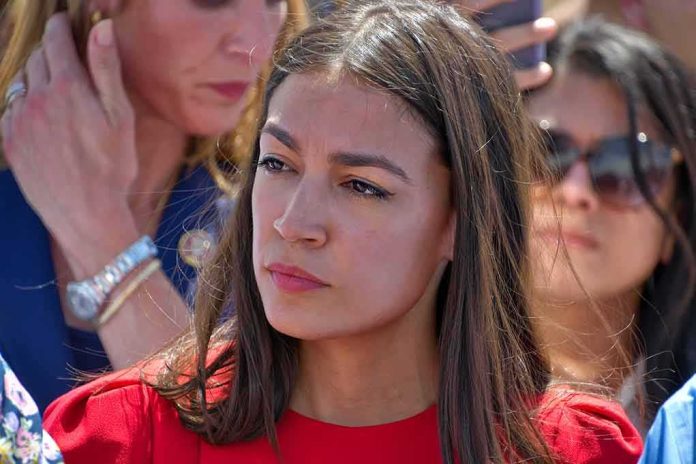
A hardline caucus inside the Democratic Socialists of America publicly said it will not back Alexandria Ocasio-Cortez for 2028, citing her “capitulations” and unmet Palestine-related conditions.
Story Snapshot
- A DSA Liberation Caucus statement rejects AOC as a 2028 contender, accusing her of ideological concessions.
- Critics tie their stance to strict Palestine-solidarity conditions, including support for boycotts and ending Israel funding.
- National and local DSA groups are split on AOC, with some backing her reelection while 2028 plans remain unsettled.
- AOC’s “Woke 1.0 was crazy” remark fuels talk of a shift in tone as allies insist she remains on the left.
What the faction said and why it matters
The Democratic Socialists of America’s Liberation Caucus said it would not “endorse or give succor” to an Alexandria Ocasio-Cortez presidential bid. The group accused her of repeated “capitulations to the imperialists,” a broad charge without a public list of specific votes attached in the reporting. The statement lands as 2028 speculation builds but before any official campaign. That timing underscores a larger fight inside the left over who sets movement standards and what those standards require.
San Francisco Democratic Socialists leaders earlier set detailed conditions for endorsements. They called a strong commitment to Palestinian liberation “the bare minimum” for socialist officials and listed tests such as support for boycotts, divestment, and sanctions; opposing all funding to Israel; and backing the right of return. Reports say national leaders also tied AOC’s 2024 backing to similar conditions. Critics now argue she has not met those bars for 2028 support.
How the wider DSA is split over 2028
The New York City chapter endorsed Ocasio-Cortez for reelection in April 2026, showing local support even as national debate grows. In July, the Democratic Socialists of America’s National Political Committee voted down a proposal for an all-member poll on the 2028 endorsement, reflecting deep tensions over process and timing. Members described the debate as one of the year’s most contentious, and the group left the 2028 question unresolved, pushing decisions toward future meetings.
Supporters still argue Ocasio-Cortez is the movement’s most visible figure and helped push its ideas into the mainstream. Her current platform lists long-time left priorities like universal health care, stronger unions, and less focus on war, which backers cite as proof she remains aligned with core goals. That pro-AOC case sits beside the factional push for firmer litmus tests on Israel and other issues, highlighting the clash between ideological purity and electoral reach.
Why this taps bipartisan frustration with elites
Faction fights inside activist groups often mirror public anger at elite control. Here, internal leaders set endorsement rules and gatekeep legitimacy, while voters watch another small circle make big choices. The left argues about purity and process. The right sees another example of insiders protecting power. Both sides ask whether any group still answers to members or the public. This episode shows how movements can become slow, inward, and removed from daily struggles.
Ocasio-Cortez’s recent line, “Woke 1.0 was crazy,” added fuel to this fire by signaling a shift in tone to win more voters, according to coverage and reactions across outlets. For some activists, that sounds like trimming sails to fit the system they oppose. For others, it is normal message testing in a hard race. Either way, the debate is not only about one lawmaker. It is about who decides the rules for claiming the “socialist” brand in national politics.
Limits remain. The “Maoist” label for the Liberation Caucus comes through news descriptions rather than detailed primary documents. The press accounts summarize the group’s statement, but they do not include full internal minutes, vote tallies, or a comprehensive list of the acts they view as disqualifying. The 2028 race is also hypothetical for now. These gaps do not erase the public split, but they do cap how far we can document the internal case today.
Sources:
washingtontimes.com, foxnews.com, cnn.com, city-journal.org, bostonglobe.com, theguardian.com