A judge’s removal, a split over secret trial limits, and street protests now collide in the Karmelo Anthony case.
Story Snapshot
- Retired Judge Michael Chitty is weighing a new-trial motion after Judge John Roach was removed.
- Defense claims courtroom access was restricted and an off-record deal chilled Anthony’s right to testify.
- Prosecutors say the motion misstates the record and that they followed court rulings and defense agreements.
- Activists, including the New Black Panther Party, demand Anthony’s release as hearings continue.
What the court is deciding right now
Retired Judge Michael Chitty is hearing Karmelo Anthony’s request for a new trial after the judge who oversaw the murder trial, Judge John Roach, was removed from remaining proceedings. Reporting shows the hearings began in McKinney and could span multiple days, with a ruling due under Texas timelines tied to Anthony’s June sentencing date. The decision could reset the case to its pretrial stage or leave the 35-year sentence in place, pending normal appeals.
The defense says the first trial was unfair. Their filings claim the court restricted public access, violating the Sixth Amendment right to a public trial, and that an off-the-record evidentiary agreement later broke down. They argue this chilled Anthony’s choice to testify and shaped trial strategy. These claims matter because some courtroom-closure errors can be “structural,” which, if properly preserved, can require a new trial without proof of harm.
How prosecutors answer the challenge
Collin County First Assistant District Attorney Bill Wirskye says the new motion contains “inaccurate characterizations” of what happened in court. He states the prosecution followed the court’s rulings and any agreements with the defense. In the hearing, prosecutors also described text messages and other material about Anthony that jurors never saw, saying those details existed but were not presented at trial for legal reasons. The state’s stance is that the verdict was lawfully reached under the trial record.
These two positions frame a tight legal fight: Was public access truly limited in a way that violates the Constitution, and did any side-step on evidence rules harm core rights? United States Supreme Court guidance explains that if a public-trial claim was not preserved, a defendant often must show actual harm later to win a new trial. Texas rules add timing pressure, since motions for new trial must be decided quickly after sentencing.
Why activists are rallying outside the courthouse
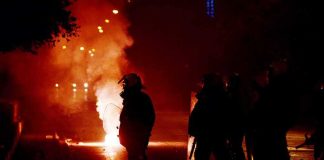
Public pressure is rising. The New Black Panther Party’s national chairwoman, Krystal Muhammad, praised Judge Roach’s removal and demanded Anthony’s release. Her calls reflect wider protests that claim bias tainted the process. Supporters of the verdict respond that a jury heard the evidence and reached a lawful decision. This clash feeds a larger belief, on left and right, that powerful insiders bend rules while ordinary families carry the cost.
Activists rallied outside court demanding the release of Karmelo Anthony, 19, who was sentenced to 35 years in June for the April 2025 stabbing death of 17-year-old Austin Metcalf at a Frisco track meet#KarmeloAnthony #AustinMetcalf #Anthony #BlackPanther #BLM pic.twitter.com/HV5WPrngOU
— Diamond Feed (@DiamondFeedX) August 21, 2026
Many Americans see this as more than one case. People fear closed doors in courtrooms, backroom deals, and fast media spins that drown out facts. They want open courts, even rules, and clear records that stand up on appeal. If Judge Chitty grants a new trial, the case resets and both sides face fresh scrutiny. If he denies it, the fight shifts to higher courts, and the debate over fairness and trust in the system will only grow louder.
Sources:
twitchy.com, nbcdfw.com, youtube.com, foxnews.com, fox4news.com, dallasnews.com, apnews.com, thegatewaypundit.com, nypost.com, cnn.com, abcnews.com, scotusblog.com, supremecourt.gov, txcourts.gov, mckinneylaw.iu.edu