

A judge’s order that the government says could force it to release about 1,800 detained Venezuelans is frozen while an appeals court decides the case, and President Trump’s team says it will go back to the Supreme Court if it loses there.
Story Highlights
- The administration filed an emergency stay request with the Supreme Court to block a district-court order restoring Venezuelan Temporary Protected Status (TPS).
- The request leans on a 2026 Supreme Court precedent that limits court review of nonconstitutional TPS challenges.
- The Ninth Circuit first denied a stay, then on Wednesday, November 18, froze the judge’s order until it rules on the appeal.
- On Thursday, November 19, the administration withdrew its Supreme Court request, saying the freeze made it unnecessary and that it will return to the Court if the appeals court rules against it.
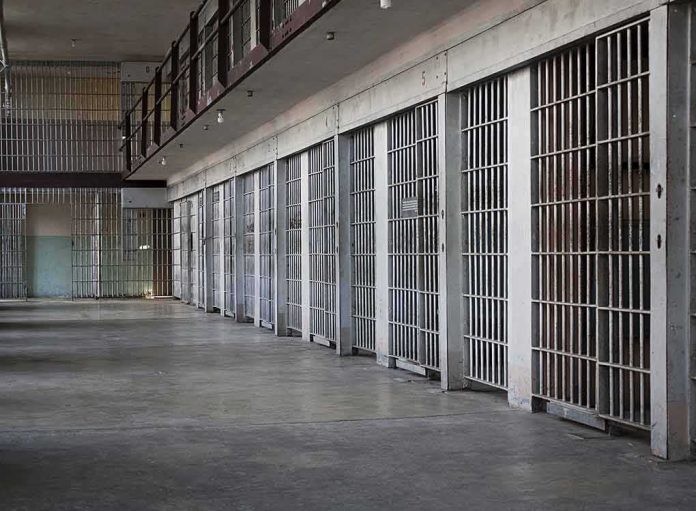
- The government told the Supreme Court the order could force it to release about 1,800 Venezuelans from detention.
What the Administration Asked the Supreme Court to Do
On November 18, the administration filed an emergency application asking the Supreme Court to pause a district-court judgment that would revive protections for Venezuelans under Temporary Protected Status. The filing argues that turning a long-dormant order back on would cause severe and immediate harm to ongoing enforcement and to processing systems for documents and work authorization. The application sought a stay while the appeal moved forward, using the emergency docket to prevent sudden policy whiplash.
The case is captioned Markwayne Mullin, Secretary of Homeland Security, et al. v. National TPS Alliance and appeared on the Court’s emergency docket as No. 26A714. The docket reflects that the application was submitted to Justice Elena Kagan, who handles such requests from the Ninth Circuit. The administration withdrew the application on Thursday, November 19.
The Legal Hook: What Recent Supreme Court Guidance Says
The government grounded its request in a fresh Supreme Court precedent, Mullin v. Doe, which it reads to bar judicial review of nonconstitutional claims under the Temporary Protected Status statute. The Supreme Court already sent the Venezuelan case back to the Ninth Circuit to reconsider in light of that ruling, signaling that the legal landscape has shifted since earlier decisions. That remand supports the claim that the case raises unsettled legal questions rather than a final defeat for the administration’s position.
The Ninth Circuit, however, denied the government’s request for a stay pending appeal on November 3, while ordering expedited briefing on the merits. Then, hours after the Supreme Court filing on November 18, it extended its own temporary freeze of the judge’s order until seven days after it rules on the appeal. The administration argued that without a stay, immigration operations would face abrupt and costly changes that are hard to unwind.
Why the Administration Says Urgency Matters
The emergency filing warns that flipping protections back on after a lengthy gap would be enormously disruptive for enforcement and for agencies that handle identification and work documents. The application says the district-court order has been dormant and that sudden activation could produce severe and immediate harm. The filing said the government could be forced to release some 1,800 detained Venezuelans. The government’s brief, however, did not attach public operational data that quantify the harm, such as detention lists, removal-order counts, or processing estimates, leaving those claims vulnerable to pushback on scale and timing.
The Supreme Court’s emergency docket adds pressure in cases like this. The Court can act quickly, with or without a detailed opinion, and may decide before full briefing. That speed can prevent administrative chaos, but it also limits public explanation and invites political spin from both sides. With immigration at the center of national debate, the narrow legal stay can look like a broader referendum on border control and work authorization.
What Lower Courts Have Done So Far
The procedural path has zigzagged. The Supreme Court vacated an earlier Ninth Circuit ruling and told that court to take another look under the new precedent. The Ninth Circuit then refused to issue a stay but set an expedited track for arguments, leaving the merits undecided. It later froze the judge’s order while it decides the appeal. That mixed record supports the administration’s view that the law is unsettled, but it also shows that the appellate panel at first did not see grounds to pause the district court while the appeal ran its course.
Advocates for Venezuelan nationals argue that ending TPS harmed families and left many at risk and without status. They claim hundreds of thousands could lose benefits and that some individuals faced detention or deportation during prior pauses. Those assertions come from advocacy filings and complaints, not final court findings on the current stay request, but they frame the human stakes that the Ninth Circuit and Supreme Court know are in play. The legal fight centers on process, authority, and who gets to decide, and when.
Why This Matters for Rule of Law and Secure Borders
President Trump pledged clear rules and secure borders. The government says only Congress and the executive can make Temporary Protected Status judgments, except for narrow constitutional questions. The recent Supreme Court guidance backs that view on nonconstitutional claims. Without the freeze, agencies could face a sudden flip that strains systems and muddies enforcement priorities while courts still sort the law. The Ninth Circuit’s freeze holds while the appeal proceeds, and the administration says it will return to the Supreme Court if it loses.
Sources:
yahoo.com, supremecourt.gov, supremecourt.report, cdn.ca9.uscourts.gov, scotusblog.com, newsweek.com