
Rep. Thomas Massie’s fiery confrontation with Attorney General Pam Bondi over redactions in Jeffrey Epstein files has exposed a bureaucratic nightmare that spans multiple administrations, revealing how DOJ incompetence may have protected powerful elites connected to child sex trafficking for decades.
Story Highlights
- Massie challenged AG Bondi over DOJ’s improper redaction of billionaire Leslie Wexner’s name as a co-conspirator in child sex trafficking documents
- Bipartisan lawmakers identified six redacted men in just two hours of reviewing Epstein files, raising questions about what else DOJ is hiding in three million pages
- DOJ accidentally released sensitive victim lists while over-redacting key co-conspirator information, violating the Epstein Files Transparency Act
- Bondi defended the 40-minute correction of Wexner’s redaction, denying intentional cover-ups despite systemic failures across multiple administrations
Congressional Oversight Exposes DOJ Failures
During a February 11, 2026 congressional hearing, Representative Thomas Massie confronted Attorney General Pam Bondi with damning evidence of DOJ mismanagement in releasing Jeffrey Epstein files. Massie presented exhibits showing the DOJ accidentally disclosed a victim lawyers’ email list containing names specifically flagged not to release, while simultaneously over-redacting crucial information about potential co-conspirators. The Kentucky Republican highlighted how billionaire Leslie Wexner’s name, which appeared over 4,000 times in documents and was listed as a co-conspirator in a 2019 FBI document for child sex trafficking, had been improperly redacted before being corrected 40 minutes later.
Bipartisan Pressure Forces Partial Transparency
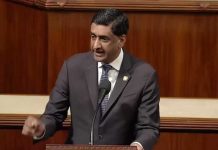
The confrontation stems from the Epstein Files Transparency Act, passed in November 2025 and co-sponsored by Massie and Democrat Representative Ro Khanna. The law mandates limited DOJ redactions, permitting only those protecting victims or national security, specifically aiming to expose co-conspirators. On January 30, 2026, Massie and Khanna formally requested unredacted access from Deputy Attorney General Todd Blanche, citing inconsistent redactions across emails, victim statements, a 2007 draft indictment, and an 82-page prosecution memo. After reviewing files in early February in a secure Washington reading room, the bipartisan duo identified six redacted men “likely incriminated” and threatened to use the Speech or Debate Clause to publicly name them on the House floor.
Elite Names Surface Despite DOJ Resistance
Following congressional pressure, Representative Khanna entered several names into the Congressional Record on February 10, 2026, including Leslie Wexner, the former Victoria’s Secret owner, and Sultan Ahmed bin Sulayem, CEO of DP World, whose email was allegedly linked to a “torture video.” Wexner’s counsel claims he was a cooperative source rather than a target, yet his designation as a co-conspirator in FBI documents raises serious questions. Four additional men remain unnamed, including one described as “pretty high up” in a foreign government. Khanna emphasized the troubling implication: if they found six problematic redactions in just two hours, what secrets lurk in the remaining three million pages of Epstein files?
Pattern of Protection Across Administrations
Massie’s criticism extends beyond the current DOJ leadership, noting this cover-up pattern spans the Bush, Obama, Biden, and Trump administrations. The files originate from investigations into Epstein’s 2005-2008 Florida sex trafficking case, which resulted in a controversial non-prosecution agreement granting immunity to potential co-conspirators, his 2018-2019 federal charges, and Ghislaine Maxwell’s subsequent prosecution. Despite the Transparency Act’s clear mandate, critics from both parties allege the DOJ continues withholding FBI and grand jury materials. Bondi defended the department by asserting career attorneys made non-malicious operational errors rather than engaging in deliberate conspiracy, yet the systemic failures suggest institutional resistance to full disclosure that protects powerful connected individuals over justice for survivors.
Constitutional Oversight Versus Executive Secrecy
This clash represents a critical test of congressional authority against executive branch secrecy. Massie and Khanna’s willingness to invoke the Speech or Debate Clause, which provides lawmakers constitutional immunity for statements made in Congress, demonstrates the severity of perceived DOJ obstruction. The lawmakers have temporarily given the DOJ more time to comply before potentially disclosing all six names publicly. For conservatives who value transparency, limited government, and accountability, this bipartisan effort highlights how bureaucratic incompetence and institutional protectionism can shield elites from consequences. The ongoing battle over these files will determine whether congressional oversight can penetrate decades of executive branch stonewalling in one of America’s most disturbing sex trafficking cases.
Sources:
Politico – Ro Khanna Names Names in Epstein Files
Axios – Epstein Files Unredacted: DOJ, Massie, Khanna Dispute
Representatives Khanna and Massie Letter to Deputy Attorney General Blanche