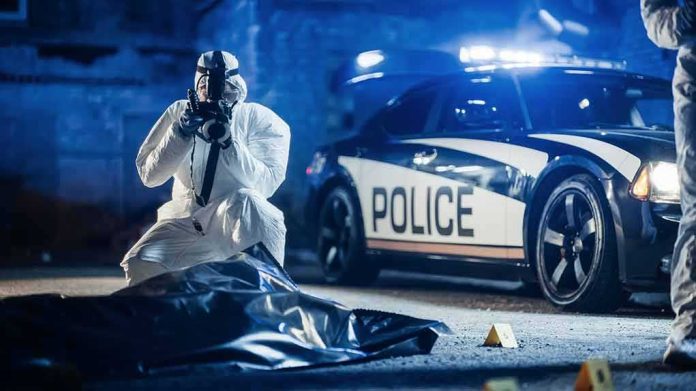
Police body camera video showing officers finding an 18-year-old student’s body in a Jeep now anchors a homicide case accusing her boyfriend and his mother of a cover-up.
Story Highlights
- Released bodycam video shows officers discovering Karoline Heintz’s body in her Jeep Cherokee.
- Prosecutors charged 18-year-old Royce Moser with homicide; his mother faces related charges.
- Court filings say Moser claimed a “demon” told him to stab Heintz, an assertion carried in media reports.
- Photos shown in court include an alleged knife, bloody rags, gloves, and Jeep bloodstains.
What the Video and Charges Show So Far
Authorities released a 37-minute police body camera recording that shows officers finding the body of college student Karoline Heintz inside her Jeep Cherokee, according to reports summarizing the video’s contents. Police and prosecutors charged her boyfriend, 18-year-old Royce Moser, with homicide, and charged his mother, Rachel Moser, with helping after the killing. The footage documents the discovery scene. It does not, by itself, show the stabbing or cleanup. The case now turns on other evidence gathered by investigators and presented in court.
Reporters who viewed materials presented in court say the state displayed photos of key items. Those images include what officials described as the alleged knife, bloody rags taken from the trash, blue latex gloves, and bloodstains in and outside the Jeep. Investigators also presented still images that they say appear to show Royce Moser driving Heintz’s Jeep after the killing. Such items can help build a timeline. Lab reports and forensic testing results have not been publicly detailed in these accounts.
Statements Attributed to the Defendants
Media summaries of court documents say Royce Moser told investigators that a “demon” told him to stab Heintz. Separate reports say he described arguing, going inside to get a knife, and returning to stab her in the chest. Outlets also quoted Rachel Moser saying, “My son took a life,” during a public appearance after her arrest. These statements may matter at trial. Their full transcripts, recordings, and legal context, including any rights warnings, were not provided in the reports cited here.
Prosecutors’ filings, as described by local outlets, outline alleged steps taken after the stabbing. Those accounts say Royce drove to his mother’s home, where they cleaned up and cleaned the vehicle, and later drove to the area where officers found the body. Another report says an affidavit states Rachel helped clean the car, wash clothes, and put knives in a garbage bag. Defense responses to these specific allegations were not included in the sources used here.
How to Weigh Powerful Video in an Ongoing Case
Body camera video can shape public judgment because it is vivid and direct. It shows the reality of a discovery scene and can fix a story in viewers’ minds. Research has found that video often carries more persuasive weight than written accounts, which can tilt perception before all records are out. In this case, the footage confirms the discovery of the body. It does not identify who stabbed Heintz or who cleaned the Jeep without help from other evidence and sworn testimony.
Families watching this case may see a pattern that worries people across the political spectrum. The most emotional images come first. The full record often comes later, if at all, before trial. That gap can make the system feel stacked, either toward fast blame or slow answers. The law also draws a line between homicide and help after the fact. Federal law and legal references describe “accessory after the fact” as assisting someone who committed a crime to avoid arrest or punishment.
What to Watch Next
Court filings with exact language from complaints, interview transcripts, and lab reports would clarify key issues. Forensic results on the knife, gloves, rags, and vehicle could link people to items and actions. Autopsy and timeline evidence could firm up the sequence. Location data from phones and the Jeep could confirm routes and stops. Until then, the bodycam video is a vivid but partial record. The courts will have to knit it together with documents, science, and live witnesses.
Sources:
youtube.com, abcnews.com, bollywoodshaadis.com, newser.com, cbsnews.com, nbcnews.com