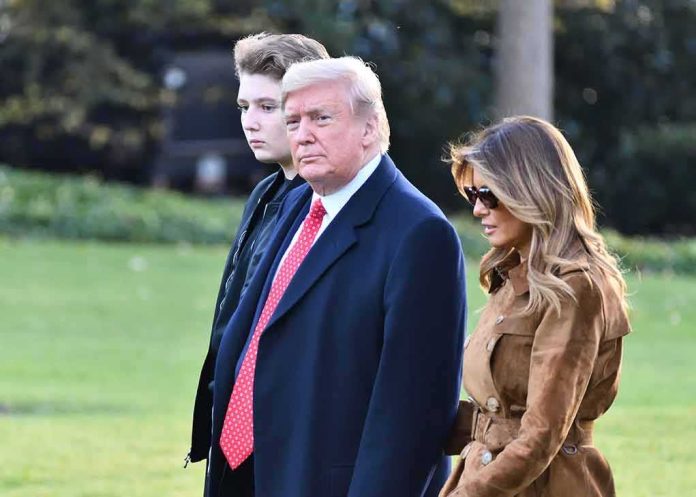
Iran-linked media escalated to family-targeted threats, with reports saying Iranian state outlets touted a $10 million bounty aimed at Barron Trump.
Story Highlights
- Iran-linked Tasnim video urged attacks on First Lady Melania Trump, naming places she visits.
- Reports say Iranian state outlets pushed a $10 million bounty threat against Barron Trump.
- United States Secret Service said it is aware of the video and is investigating.
- Experts say such propaganda can inspire lone actors even without clear operational links.
What Happened: Iran-Linked Video Targets Trump Family
On July 27, media tied to Iran’s Islamic Revolutionary Guard Corps posted an animated video titled “Where to Kill Melania?!” The clip highlighted locations tied to First Lady Melania Trump and called on “freedom fighters” to use those details. The United States Secret Service said it is aware of the footage and is investigating. The video ended with a direct message aimed at Barron Trump, heightening concern about copycat threats and lone offenders.
Follow-on reporting said Iranian state platforms amplified an added threat focused on Barron Trump. Those reports described claims of a $10 million bounty to reach or target the president’s son. Outlets characterized the segment as a chilling escalation that brings Iran’s messaging into the president’s immediate family. These details drew fast attention because cash rewards can motivate unstable actors, even when no direct command structure is visible.
Law Enforcement Response and Security Posture
The United States Secret Service, which protects the First Family, confirmed it is looking into the video and related content. The agency typically reviews threats, adjusts routes, and increases counter-surveillance when a target’s routines are named. Officials often coordinate with local police and federal partners to track online chatter and identify potential actors. The goal is to prevent inspired violence and to deter anyone who might treat propaganda as a call to action.
Security professionals warn that public threat videos can blend psychological warfare, intimidation, and real-world guidance. Such content can serve several purposes at once: to frighten a target, to signal resolve to supporters, and to direct lone actors toward action. That mix is why agencies respond even when the chain from media to operations is not clear. The emphasis falls on speed, monitoring, and visible protection to reduce risk.
Why It Matters: Propaganda, Pressure, and Potential Spillover
Analysts who track Iran’s security services note a long record of plots, intimidation, and overseas targeting that sometimes overlap with state-linked messaging. They argue that this history makes new threats more serious than mere noise. When a video lists places, names family members, and frames violence as duty, it can lower the bar for action by sympathizers. That is especially true during tense periods in United States–Iran relations.
🇮🇷 #Iran – 🇺🇸 #US: IRGC-affiliated media and Iranian state television have aired a video titled “Where to kill Barron Trump?”, presenting instructions on how to target US President Donald Trump’s son and offering a $10 million bounty.
The segment displayed information about… pic.twitter.com/4BitkRd8Sw
— POPULAR FRONT (@PopularFront_) August 24, 2026
For Americans across the political spectrum, the episode cuts to a shared fear: government cannot or will not shield families from foreign menace. Conservatives see a hostile regime testing resolve. Liberals see the danger of information warfare spilling into civilian life. Both sides worry that elites will posture while everyday people face higher risk and more surveillance. Clear communication from authorities and consistent enforcement against incitement can help rebuild trust.
Domestic Fallout: Policy, Tech, and Guardrails
Congress and the White House may face pressure to tighten sanctions on Iranian media arms, restrict platform reach for state-linked propaganda, and boost protections for public officials and relatives. Lawmakers could also push social networks to act faster on posts that map targets or hint at bounties. Any steps will need to balance safety with free speech rules. Agencies will likely expand monitoring, while courts test where incitement ends and protected speech begins.
What to Watch Next
Watch for a formal update from the United States Secret Service on threat posture around the First Family. Look for sanctions or designations aimed at the Islamic Revolutionary Guard Corps media ecosystem. Track whether platforms remove or throttle copies of the video. Finally, monitor for copycat content that names new targets. Each of these signals will show whether officials treat this as a one-off stunt or a sustained campaign that demands broader action.
Sources:
redstate.com, youtube.com, ndtv.com, independent.co.uk