Two Iranian drones slipped past Patriot defenses and tore into a U.S. embassy—yet the public was told the damage was “minor,” fueling new distrust as Americans debate another Middle East fight.
Story Snapshot
- Wall Street Journal reporting, citing current and former U.S. officials, says the March 3 drone strike on the U.S. Embassy in Riyadh caused far more damage than officials initially acknowledged.
- Two drones reportedly penetrated the Diplomatic Quarter’s Patriot-protected air defenses; the second drone allegedly entered through the first breach and detonated inside.
- U.S. officials described three floors heavily damaged, a long-burning fire, and sections labeled “unrecoverable,” contradicting Saudi claims of limited impact.
- The attack followed a Feb. 28 U.S.-Israel offensive on Iran, tightening the political squeeze on President Trump as parts of his base resist a new war.
What the reporting says happened inside the Riyadh embassy
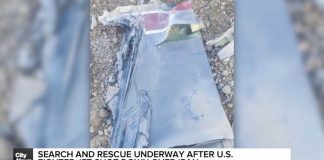
Current and former U.S. officials told the Wall Street Journal that Iran’s March 3 drone strike on the U.S. Embassy in Riyadh inflicted extensive structural damage in a secure section of the building. The strike occurred around 1:30 a.m., limiting casualties because most personnel were not at their desks. Officials described three floors as severely damaged, a roof collapse and instability, and areas sealed off for safety.
Reporting also described a two-drone sequence designed to maximize destruction. One drone reportedly punched through the structure, and a second followed about a minute later, flying into the hole created by the first and detonating deeper inside. Officials said a fire burned for roughly 12 hours—details that, if accurate, point to a far more serious incident than the first public characterizations suggested.
Why the “minor damage” narrative is now a credibility problem
Saudi Arabia’s Defense Ministry initially described the incident as causing “limited fire and minor damage,” a description that conflicts with accounts later shared by U.S. officials and echoed across multiple outlets referencing the Journal’s reporting. That gap matters politically because it feeds a familiar concern: when government messaging minimizes risk, citizens assume leaders are managing perceptions rather than being transparent. The research also notes claims of a “complete blackout” on the true extent of damage.
From a constitutional, limited-government perspective, trust and accountability are not academic issues. War powers, emergency authorities, surveillance posture, and security spending often expand quickly when threats are framed as urgent but details are withheld. If the embassy damage was as serious as described—three floors, long-duration fire, and “unrecoverable” sections—Americans deserve straight answers about what failed, what is being repaired, and what new commitments might follow.
Air defenses penetrated: what it signals about vulnerability
The embassy sits in Riyadh’s Diplomatic Quarter, an area described as fortified and protected by Patriot air defense systems. The Wall Street Journal report said two drones still got through. Even without publicly available technical specifics, the practical takeaway is clear: hardened sites can be hit, and the difference between a 1:30 a.m. strike and a daytime strike could be the difference between property damage and mass casualties. That raises urgent questions for U.S. facility security worldwide.
The research also indicates sensitive operations were affected, including a CIA station housed at the embassy. Officials did not publicly detail what equipment or materials were compromised, and the available reporting does not provide a full inventory of losses. That limitation makes it hard to judge operational impact, but it reinforces why minimizing early damage assessments can backfire—especially when adversaries use information warfare and Americans see conflicting accounts from allies and U.S. sources.
Trump’s second-term political bind as MAGA debates Iran and Israel
The strike landed in a volatile context: the research describes a Feb. 28 U.S.-Israel offensive on Iran that reportedly killed more than 1,340 people, including Iran’s Supreme Leader Ali Khamenei. Iran’s retaliation campaign also reportedly included strikes on Prince Sultan Air Base later in March, damaging aircraft and injuring U.S. personnel. Each escalation increases pressure on Washington to respond, even as many Trump voters remain wary of open-ended commitments.
That tension is now showing inside the broader pro-Trump coalition, with some supporters questioning whether U.S. interests are being defined too heavily by regional partners and whether another cycle of escalation will bring higher energy costs and more debt. The facts available here don’t settle the policy debate, but they do clarify the stakes: when adversaries can hit U.S. diplomatic infrastructure, retaliation logic grows—and so does the risk of a conflict Americans never voted to expand.
Sources:
https://www.iranintl.com/en/202604017722
https://tickernews.co/iran-drone-strike-on-u-s-embassy-caused-extensive-damage/