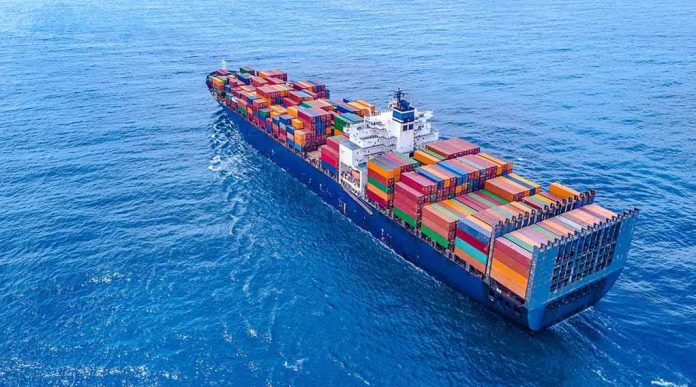
Italian police say a refrigerated banana shipment from Ecuador hid about 770 kilograms of cocaine worth nearly $290 million at the port of Vado Ligure.
Quick Take
- The seizure involved about 650 packages of high-purity cocaine.
- Officers found the drugs in pallets of bananas inside a refrigerated container from Ecuador.
- Authorities said the shipment could have reached a street value near 250 million euros, or nearly $290 million.
- The bust fits a wider pattern of cocaine being moved through fruit shipments into Europe.
How the Shipment Was Stopped
Italian authorities said the cocaine was hidden among dozens of pallets of bananas inside a refrigerated container that arrived at Vado Ligure from one of Ecuador’s main ports. The drugs were split into 650 packages, and a field test identified the substance as extremely pure cocaine. Police said the seizure was part of a targeted anti-drug effort and one of the port’s largest in recent years.
The reported value of the shipment put the haul in the top tier of recent European cocaine cases. The estimate centered on about 250 million euros, which reporters converted to nearly $290 million. That figure depends on street-sale assumptions, so it is a measure of potential value, not cash recovered. Even so, the size of the seizure shows how much profit traffickers can chase through a single container.
Why Banana Shipments Keep Showing Up
This case fits a pattern that European police have been tracking for years. Banana containers from Latin America keep appearing in major cocaine busts across Europe, including in Spain, Portugal, Greece, and Italy. Europol’s European Drug Report said European Union member states reported 323 tonnes of cocaine seized in 2022, a record for the sixth year in a row. That places the Italian case inside a much larger and steady pipeline.
Investigators often treat fruit cargo as a cover because it moves quickly, crosses many borders, and draws less suspicion than other freight. Recent reporting has shown smugglers using bananas, refrigerated containers, and ports tied to South American shipping routes. The Vado Ligure case also followed earlier Italian seizures in banana cargoes, including a 2.7-ton haul in Gioia Tauro and a 1,117-kilogram seizure in the same broader port network.
What the Bust Says About Port Security
The seizure points to a problem that cuts across politics and borders: global trade creates weak spots that criminal groups keep exploiting. Ports rely on speed, scale, and automated screening, but traffickers keep using the same lanes because the profits remain enormous. Europol’s data and repeated banana-shipment cases suggest this is not an isolated trick. It is a durable smuggling method that keeps testing border controls.
Italian officials said the operation followed an analysis of shipping routes linking South America with Vado Ligure, which they described as an attractive gateway for goods entering Europe. That language matters because it shows the seizure was not random. It came from targeted surveillance, port screening, and route analysis. For readers frustrated by elite systems that seem slow to respond, the case is another sign that organized crime keeps finding ways around rules that look stronger on paper than they are in practice.
Sources:
facebook.com, foxnews.com, cbsnews.com, 1news.az, ua.news, lefigaro.fr, n1info.rs, en.ilsole24ore.com