
A looming military showdown in the Middle East places US warships on high alert, testing Iran’s next move and America’s resolve.
Story Snapshot
- The USS Abraham Lincoln carrier strike group has arrived in the Middle East, positioning itself within striking range of Iran.
- This comes after US attacks on Iranian nuclear facilities in June 2025 and escalating tensions due to Iranian crackdowns on protests.
- President Trump has warned Iran against nuclear activities and further executions, emphasizing a “peace through strength” approach.
- Iran threatens to close the Strait of Hormuz, a critical oil passage, if provoked, potentially spiking global oil prices.
US Military Deployment in the Middle East
As of January 26, 2026, the USS Abraham Lincoln carrier strike group has entered Middle Eastern waters, marking a significant escalation in US military readiness. This deployment follows heightened tensions stemming from past US attacks on Iranian nuclear sites and Iran’s vehement response to domestic protests. The carrier group’s presence underscores an assertive stance by President Trump, who has reiterated that Iran’s actions will dictate the next steps.
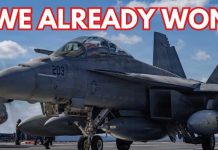
The deployment includes F/A-18s, F-35s, and additional support aircraft stationed in Jordan and Qatar. These forces are strategically positioned to deliver deep-strike capabilities across Iran if necessary. Trump’s rhetoric has been clear: any resumption of nuclear activities by Iran or continued human rights abuses will be met with decisive action. This military buildup is intended to deter Iran while safeguarding American interests in the region.
Iran’s Potential Response
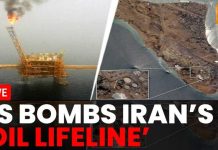
Iran’s regime has responded with threats to close the Strait of Hormuz, a vital channel for global oil transportation. Such a move could disrupt 20-30% of the world’s oil and liquefied natural gas shipments, potentially causing a surge in global oil prices by 20-50%. While Iran has historically relied on asymmetric tactics, including mines and missile strikes, the closure of the Strait would represent a significant escalation, likely prompting a strong US military reaction.
President Trump’s administration continues to emphasize a strategy of “maximum pressure,” aiming to curb Iran’s nuclear ambitions and support for regional proxies. The US Navy’s presence in the Persian Gulf serves as a deterrent, reinforcing America’s commitment to maintaining open sea lanes and stability in the region. However, the potential for miscalculation remains high, with both sides on edge.
Implications for Global Stability
The current standoff carries significant implications for global economic and political stability. Any disruption in the Strait of Hormuz would have immediate and severe repercussions for energy markets worldwide, impacting both producers and consumers. Additionally, the situation tests the resilience of Trump’s foreign policy doctrine, which prioritizes strength and deterrence.
As the situation unfolds, the international community watches closely, aware of the potential for wider conflict. The deployment serves as both a warning and a reassurance, underscoring America’s readiness to defend its interests while advocating for peaceful resolution through strength. The coming days will be critical in determining whether diplomacy can prevail over military confrontation.
Sources:
US naval carrier group nears Iranian strike range
US steps up military preparations for possible Iran strike
USS Abraham Lincoln carrier strike group reaches Middle Eastern waters
How to start World War III and spike oil prices: Iran decides to close the Strait of Hormuz
US aircraft carrier enters Middle East region, officials say
Trump deploys warships toward Iran to enforce sanctions