The United Arab Emirates halted all trade and financial ties with Iran after detecting two ballistic missiles launched toward its waters.
Story Snapshot
- The United Arab Emirates froze trade, commerce, and financial transactions with Iran “until further notice.”
- The United Arab Emirates Defense Ministry said two ballistic missiles were launched from Iran; both fell at sea, one within United Arab Emirates waters.
- Iran’s Foreign Ministry denied launching missiles at the United Arab Emirates.
- The break is notable because Dubai has long served as a key hub for Iran’s global trade links.
United Arab Emirates Announces Sweeping Trade Freeze With Iran
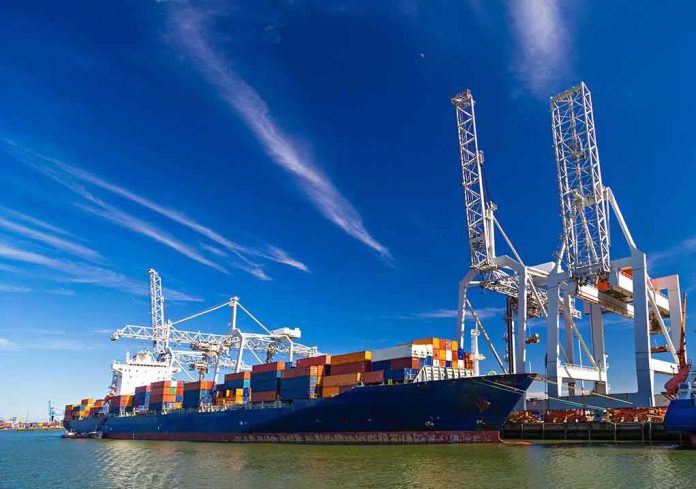
The United Arab Emirates Foreign Ministry said it suspended all trade, commercial exchange, and financial transactions with Iran until further notice. The statement cited regional escalation that threatens peace and security. The order covers banking, shipping, re-exports, and private commercial deals. The move follows a government alert of incoming missiles. The United Arab Emirates framed the halt as a security response, not a symbolic gesture, and did not set a timeline for review.
🚨 UAE Accuses Iran of Missile Attack on Maritime Traffic
🇦🇪 The UAE says Iran launched two ballistic missiles toward maritime traffic in the Gulf, sharply escalating tensions between Abu Dhabi and Tehran.
🎯 The UAE Defense Ministry said its air defenses detected two missiles… pic.twitter.com/AknD5c2S8f
— Hứa Đăng Khoa (@huadangkhoa) August 19, 2026
The United Arab Emirates Defense Ministry said its air defenses detected two ballistic missiles launched from Iran toward the country on August 18. Officials said one missile landed outside United Arab Emirates territorial waters, and one landed within its waters. Authorities reported no injuries on land. Maritime traffic warnings followed the detection. The timing of the trade freeze closely matched the missile event, linking the economic step to an immediate security threat.
Tehran Rejects Blame As Gulf Tensions Rise
Iran’s Foreign Ministry denied launching missiles at the United Arab Emirates. The spokesman rejected the accusation and expressed regret over the claim. The denial sets up a direct dispute over attribution, even as the United Arab Emirates bases its policy on its military detection. No independent investigative report has been published yet. Regional leaders are watching for further launches or proxy activity that could widen the standoff and draw in more states.
Financial markets in the region have proven sensitive to missile salvos and trade disruptions. Earlier episodes showed Gulf indexes slide and trading pauses when Iranian strikes or counterstrikes hit headlines. Energy shipping routes near the Strait of Hormuz face added risk when missiles are detected in surrounding waters. Insurers, carriers, and shippers often pass these costs to end buyers. That feeds broader inflation pressure, which many families feel at the pump and in store prices.
Why This Break Matters Beyond One Crisis
Dubai has long functioned as Iran’s back door to the world, especially during heavy sanctions. Re-exporters, freight forwarders, and financiers in the United Arab Emirates helped move goods, parts, and consumer items into Iran. United States sanctions in the past targeted Iran’s currency, metals, oil, and banking, but trade often flowed through the United Arab Emirates anyway. A full stop by Abu Dhabi therefore hits supply chains that Tehran relies on during tense periods.
🚨 UAE Accuses Iran of Missile Attack on Maritime Traffic
🇦🇪 The UAE says Iran launched two ballistic missiles toward maritime traffic in the Gulf, sharply escalating tensions between Abu Dhabi and Tehran.
🎯 The UAE Defense Ministry said its air defenses detected two missiles… pic.twitter.com/AknD5c2S8f
— Hứa Đăng Khoa (@huadangkhoa) August 19, 2026
Analysts describe United Arab Emirates–Iran ties as “strategic hedging,” where business links stay open even when politics turn hostile. That pattern made sense for years because both sides gained from trade and travel. The sudden halt breaks that habit and signals that security now outweighs commerce. If the freeze holds, Iran loses a key trade valve, and United Arab Emirates ports lose fees and traffic. Both economies face costs, but leaders appear to accept them to manage risk.
What To Watch Next
Ports and banks will test the order as pending shipments arrive and letters of credit come due. Enforcement will decide how hard the bite feels in Tehran and Dubai. Energy markets will watch maritime alerts, as even near-miss incidents can lift freight rates. Diplomats may press for de-escalation to reopen channels. For Americans, the lesson is familiar: when missiles fly, prices rise, and global choke points matter. Voters across the spectrum see leaders react after crises, not before.
Sources:
english.ahram.org.eg, economictimes.indiatimes.com, facebook.com, abcnews.com, english.news.cn, nominis.io