A new policy threatens immigrant visa processing, sparking debate over welfare abuse and public charge rules.
Story Overview
- The State Department pauses immigrant visa processing from 75 countries due to welfare concerns.
- The policy aims to protect American taxpayers by targeting public charge risks.
- Non-immigrant visas remain unaffected, ensuring no disruption to the 2026 World Cup.
- This move marks an expansion of Trump-era immigration restrictions.
Visa Processing Halt for 75 Countries
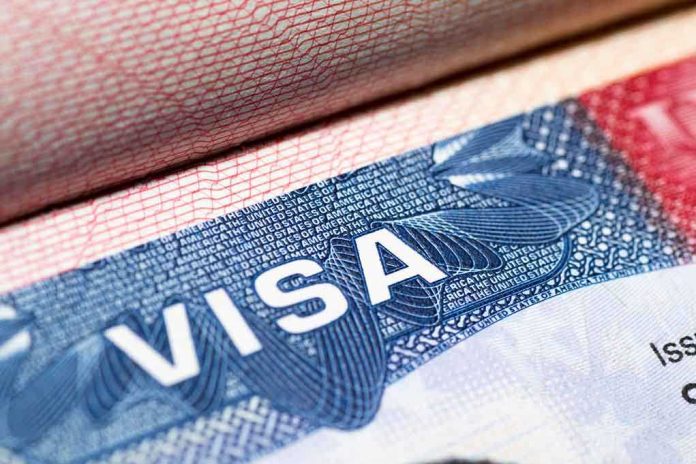
The U.S. State Department announced a significant shift in immigration policy on January 14, 2026, pausing immigrant visa processing for 75 countries where migrants are perceived to excessively use U.S. welfare benefits. This pause, effective January 21, targets nations identified through welfare usage data, excluding non-immigrant visas like tourist or World Cup-related ones. The policy underscores the Trump administration’s commitment to protecting American taxpayers by preventing immigrants from becoming public charges, a principle backed by longstanding immigration laws.
Officials have stressed that this measure is necessary to ensure that new immigrants contribute positively to the U.S. economy rather than burden the social safety net. The decision reflects the administration’s broader efforts to curtail both legal and illegal immigration, aligning with Trump’s campaign promises to prioritize the welfare of American citizens and taxpayers.
Historical Context and Policy Details
The “public charge” rule, which has been a part of U.S. immigration law for over a century, serves as the foundation for this policy. Traditionally, it barred entry to those likely to rely heavily on public entitlements. The Trump administration seeks to expand its definition to include a wider range of benefits, beyond traditional cash aid. This policy shift is part of a series of immigration restrictions that were heightened following the 2024 election, reflecting an intensified focus on safeguarding American resources.
The policy’s implementation follows a November 2025 cable that mandated stricter visa applicant screening based on health, age, economic situation, and language proficiency. The State Department’s decision also comes amid allegations of fraud among Somali immigrants in Minnesota and the termination of Temporary Protected Status for 2,400 Somalis, further illustrating the administration’s stance on immigration.
Impact and Reactions
The policy’s immediate effects include delays in family reunifications and employment-based immigration from the listed countries. In the long term, it may establish a precedent for data-driven bans on immigration, potentially reducing legal inflows. Economically, while the administration claims it will lower welfare costs, there is a risk of labor shortages in industries reliant on immigrant workers.
Socially, the policy has heightened anti-immigrant sentiment and caused divisions in communities, such as those in Minnesota with a significant Somali population. Politically, it strengthens Trump’s base by demonstrating his commitment to immigration control, although it also invites legal challenges and criticism from immigrant rights groups.
State Dept. Pauses Visa Processing From Countries Whose Migrants Take Welfare at ‘Unacceptable Rates' https://t.co/6DO9YYEJZQ
— Liz V (@ShoreEJV) January 14, 2026
While the policy is framed as a protective measure for taxpayers, it faces scrutiny and opposition both domestically and internationally. The administration’s ability to enforce such a sweeping immigration policy remains a subject of ongoing debate, particularly concerning its alignment with American values of liberty and justice for all.
Sources:
State Department halts immigrant visa processing for 75 countries
Trump’s immigration visa processing pause
US suspend visa processing for 75 countries starting this week