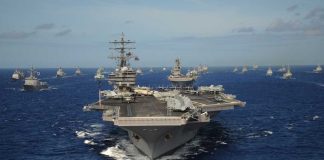


America is retiring its most heavily armed surface warships while no like-for-like replacement is ready, shrinking missile capacity even as rivals grow stronger.
Story Snapshot
- The Navy is scrapping most Ticonderoga-class cruisers as aging hulls and costs mount.
- Three upgraded cruisers will serve to 2029; the rest are leaving the fleet.
- Congress slowed the retirements once, signaling concern over a rapid drawdown.
- Public debate now centers on cost, lost missile cells, and China’s naval buildup.
What the Navy actually decided and why it matters
The Navy has moved to retire most Ticonderoga-class cruisers, saying decades-old hulls, worn power systems, and rising upkeep now outweigh the gains. The service says running these ships much longer would cost more than buying newer ones, a tough tradeoff when budgets are tight. At the same time, the Navy extended the lives of three upgraded cruisers—Gettysburg, Chosin, and Cape St. George—through 2029 after they completed major hull, mechanical, and combat system work, showing a selective path rather than a blanket cut.
These choices land in a tense moment. China is adding large surface warships fast, and critics at home warn the United States is giving up missile tubes before replacements arrive. That fuels a shared fear on the right and left: leaders ask taxpayers for more money yet accept less capability now. The Navy argues it must move on from worn ships that drain crews and cash. Skeptics counter that timing and planning still leave a gap the fleet will feel.
How we got here: costs, aging steel, and a narrow modernization lane
Most cruisers are past 35 years old after long, heavy use. Reports describe hull fatigue, dated power plants, and steep maintenance bills as common problems across the class. A modernization push aimed to keep part of the fleet viable, but Navy leaders later said only those ships that finished upgrades and proved material readiness would continue. That is why three hulls earned extensions, while others headed to decommissioning. The service frames this as learning from hard lessons and narrowing to what works.
Congress did not simply rubber-stamp the Navy’s pace. In 2021, lawmakers allowed only five cruiser retirements when the Navy sought seven, signaling doubt about drawing down too fast. That check reflected a broader worry: once capacity leaves, it is hard to rebuild quickly. The Navy later announced the three extensions to 2029, adding a short bridge. But a bigger successor—often tied to the future destroyer program—remains years away, so pressure falls on existing destroyers to pick up slack.
What we know, what we do not, and the stakes for U.S. sea power
Public sources clearly support three points. First, the Navy believes further cruiser life will cost more than replacement, and structural wear is real. Second, three ships that completed deep upgrades will serve into 2029, proving some modernization paid off. Third, Congress has questioned the speed of retirements, which suggests the case for a quick drawdown is not closed in Washington. What is not confirmed in primary documents is a precise price tag often cited in commentary and claims that the effort “failed” outright.
The larger concern is capacity. Each retiring cruiser removes a large block of missile cells from the fleet, and no one-to-one replacement is ready. Commentators point to China’s surface fleet growth to argue the United States risks a near-term gap. That fear resonates across political lines because it blends two sore points: waste from mismanaged programs and a government that seems slow to deliver on core defense needs. The Navy says this is a hard but needed pivot; critics hear a plan that accepts risk now for gains later.
For citizens, two questions loom. First, will the Navy publish clearer cost and engineering evidence to close the trust gap on why certain hulls could not be saved? Second, will leaders align budgets, timelines, and shipyard capacity so new combat power arrives before today’s stock runs too low? Those answers matter beyond ships and steel. They measure whether Washington can plan, execute, and level with the public in an era when rivals test American resolve and taxpayers demand results.
Sources:
twz.com, nationalsecurityjournal.org