

About 1.58 million pounds of hot dogs, bacon and deli meats are being recalled nationwide after a warehouse cooler failed, and some of the food may still be sitting in home fridges and freezers.
Story Snapshot
- Kayem Foods of Chelsea, Massachusetts, is recalling 1,584,361 pounds of ready-to-eat meat and poultry, including hot dogs, bacon, sausage, turkey breast and ham.
- Brands include Al Fresco, DeCosta, Essem, Genoa, Jordan’s, Kirschner, McKenzie Natural Artisan Deli, Meisterchef, Schonland’s Foods and Triple M.
- Look for EST. M/P 7839, EST. P 20935A or EST. M 9520 inside the USDA inspection mark; items were made from about March 31 to October 7, 2026.
- A store complained deliveries arrived warm, and the company found a warehouse cooler had not held a safe temperature.
- It is a Class I recall, the most serious kind; no confirmed illnesses have been reported.
A Failed Cooler Sets Off A Nationwide Recall
The recall began with a complaint. On October 1, a retail customer told Kayem Foods that products arrived warmer than they should have been at delivery. The company looked into it and found that a warehouse cooler holding many of its ready-to-eat products had swung outside safe temperatures. Ready-to-eat means the meat is already cooked and can be eaten without heating, which is why safe cold storage matters so much.
The products were shipped to grocery stores, wholesale clubs and restaurant and catering suppliers across the U.S., and to Hong Kong. In Florida, Publix is among the stores that carried Kayem products, according to reports, though a brand name alone does not mean a product is part of the recall.
What The Class I Label Means For Families
The U.S. Department of Agriculture’s Food Safety and Inspection Service (FSIS), the federal office that inspects meat and poultry, announced the recall on Saturday, October 17. It labeled it Class I, meaning there is a reasonable chance that eating the food could cause serious illness or death.
The problem is storage, not a positive lab test. FSIS has not reported finding Listeria or any other germ in the products. But meat that warms up can let bacteria grow. The USDA calls 40 to 140 degrees the “danger zone,” where many harmful bacteria multiply fast. Listeria, a germ that can cause a serious infection, can even grow at fridge temperatures.
Because some of these items keep for months, FSIS warns they may still be in home kitchens. “FSIS is concerned that some product may be in consumers’ refrigerators or freezers,” the agency said.
Who Is Most At Risk
As of Monday, October 19, no confirmed illnesses had been reported. Health officials say the people most at risk from Listeria are pregnant women, newborns, adults 65 and older, and anyone with a weakened immune system, such as people getting chemotherapy. In pregnancy, an infection can harm the baby even when the mother feels only mildly sick.
Signs of a Listeria infection include fever, muscle aches, headache, stiff neck, confusion, loss of balance and seizures. They usually start within two weeks but can show up later. Many other conditions cause these symptoms too, so this list is no substitute for a doctor. Anyone who ate a recalled product and feels unwell should call a health care provider, and anyone with a high fever, stiff neck, confusion or seizures should get urgent care.
Why This Matters To Conservative Households
Families expect safe food without paying for waste caused by a broken cooler. A recall this size hits the grocery budget, and the long shelf life of hot dogs and bacon means the risk can linger in a freezer for months. Quick, clear recall notices let each household check its own kitchen and decide for itself, which is how the system should work.
What To Do
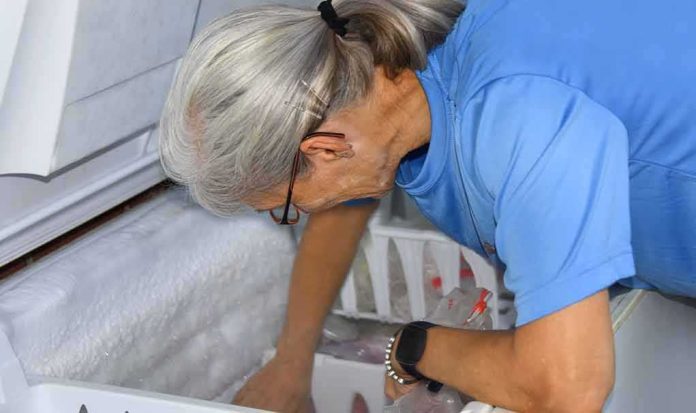
Check your fridge, your freezer and any extra freezer in the garage or basement. Look for the establishment number, the plant ID code printed inside the round USDA inspection mark: EST. M/P 7839, EST. P 20935A or EST. M 9520. Then match the UPC barcode number against the full product list on the FSIS website.
If an item matches, do not eat it or serve it. Throw it away or return it to the store where you bought it. Wipe down the shelves and drawers where it sat. If you bought sandwiches, deli trays or catered food, ask the seller whether Kayem products were used. Questions can go to the USDA Meat and Poultry Hotline at 888-674-6854 or [email protected].
Sources:
rmb.reuters.com, content.govdelivery.com, reviewjournal.com