Prescription drug prices just logged their steepest yearly drop since 1963, a rare win for household budgets that both parties now rush to claim.
Story Snapshot
- Official inflation data show prescription drug prices fell about 3.1% year over year, the biggest drop in 60+ years.
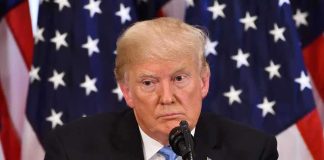
- The White House credits President Trump’s pressure on drugmakers and related policies for the decline.
- Experts also point to more generics, discounts on new weight-loss drugs, and Medicare price negotiations.
- The historic dip is real, but the drivers are mixed and still taking shape across different programs.
What the New Numbers Show
Government inflation data show prescription drug prices fell about 3.1% over the past year, the largest drop since the early 1960s. Monthly data also showed a decline from June to July, adding to the trend. Several outlets reviewed the Bureau of Labor Statistics release and highlighted the historic scale of the fall. The drop comes as overall consumer prices rose, making the drug-price move stand out to families and seniors tracking their pharmacy bills.
The sharp fall drew wide attention because drug prices so often rise faster than wages. The long slide many hoped for rarely shows up in official data. This time, however, it did. Reporting noted the year-over-year decline as the steepest in more than six decades. That framing set off a rush by political leaders and industry voices to explain why it happened and who should get the credit for it.
How the White House Frames the Win
The White House said President Trump’s push on drugmakers and his team’s pricing policies are working. A statement tied the 3.1% yearly drop to pressure on companies and Most Favored Nation-style efforts meant to link U.S. prices to lower prices abroad. The message was clear: the administration’s approach is driving relief at the pharmacy counter, and the new data prove it, according to the statement quoted in coverage of the claim.
The administration’s argument fits a broader theme. Leaders say tough bargaining and direct-to-consumer options can cut costs fast. They also point to headline discounts on blockbuster weight-loss and diabetes drugs, where public pressure and deals have lowered some cash prices. Reporting has linked lower starting prices on company sites, in part, to arrangements reached under ongoing political pressure in Washington, including from the Trump team.
What Independent Reporting Says Is Also at Work
Independent outlets say more than one force is in play. Reporters cite increased use of generics and discounts on popular new weight-loss drugs as key factors. They also note the launch of Medicare drug price negotiations, which began setting lower prices for some medicines this year, with more changes scheduled in 2027 and beyond. This mix of market shifts and government policy can push index prices down together, not just from a single source.
Health policy analysts say Medicare’s first negotiated prices for a group of outpatient drugs took effect on January 1, 2026, and a second group is slated for 2027. The program bars selection of drugs that already face a generic or biosimilar on the market, which underscores how competition also cuts costs. These details suggest the drop reflects both new negotiation rules and growing competition in key categories, especially for high-demand drugs.
Why This Matters to Families—and to Trust
Families want lower bills more than they want talking points. Seniors on fixed incomes often skip doses when prices rise, risking their health. A real decline offers relief. But the fight over credit speaks to a larger worry: many feel the system serves insiders first. When leaders celebrate, people still ask whether the savings will last, whether new drugs will stay affordable, and whether middlemen and multinational firms will keep prices high in other ways.
Both parties claim they are taking on the drug industry, yet most Americans still see high list prices, confusing coupons, and complex insurance rules. This drop shows pressure can work when competition, public deals, and policy changes line up. The test now is simple. Will this continue through 2026 and 2027 as more negotiated prices take hold, and as companies adjust? Clear, public reporting on price changes, not spin, will show if this is a real turn or a brief dip.
Sources:
townhall.com, finance.yahoo.com, nypost.com, washingtonpost.com, axios.com, x.com, reuters.com