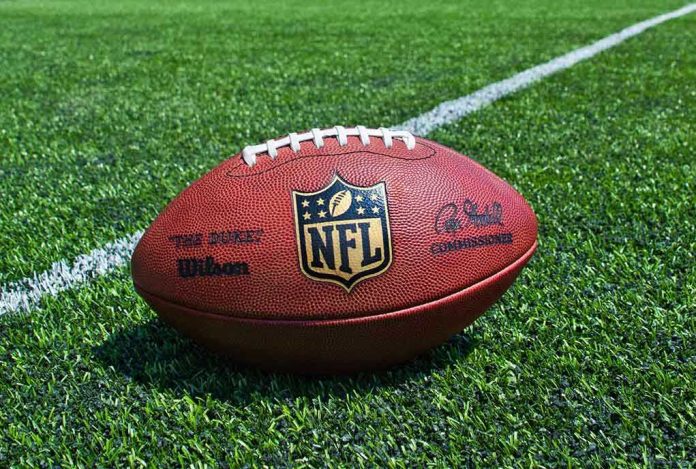
ICE is set to make a visible enforcement presence at Super Bowl LX—turning America’s biggest game into the latest flashpoint over border security and the rule of law.
Story Snapshot
- DHS adviser Corey Lewandowski says ICE will conduct enforcement operations at Super Bowl LX on Feb. 8, 2026, at Levi’s Stadium in Santa Clara, California.
- The confirmation follows backlash tied to halftime performer Bad Bunny, who previously cited fears of ICE raids when avoiding U.S. tour dates.
- President Trump is boycotting the Super Bowl over the NFL’s entertainment choices, criticizing both Bad Bunny and opening act Green Day.
- Protests and petitions opposing an ICE presence have grown, with reporting citing more than 150,000 signatures linked to “No ICE at the Super Bowl” activism.
DHS Confirms “Visible” ICE Enforcement at the Super Bowl
DHS officials and administration advisers have confirmed that ICE will conduct enforcement operations around Super Bowl LX on February 8, 2026, at Levi’s Stadium in Santa Clara. Reporting describes the plan as a major and visible presence tied to a presidential directive. DHS has also emphasized coordination with local and federal partners for overall event safety. What remains unclear is how enforcement will be structured on site, because the NFL has not publicly detailed protocols.
For many voters who watched years of lax border enforcement and “sanctuary” politics, the announcement signals a return to basics: federal law applies everywhere, even at a marquee sporting event. Lewandowski’s comments, delivered publicly last fall, were blunt about enforcement and deportation. From a constitutional standpoint, the federal government has clear authority over immigration enforcement, and the administration’s message is that high-visibility venues will not function as carve-outs from that authority.
Bad Bunny’s Halftime Booking Collides with Immigration Politics
The controversy did not start with stadium security; it escalated after the NFL selected Bad Bunny for the Apple Music halftime show. In 2025, the artist had linked skipped U.S. tour dates to fears surrounding ICE raids, and later made a pointed remark about doing “just one date” in the United States after the Super Bowl booking. That context helped turn a normal security story into a political cultural fight.
Lewandowski’s confirmation of ICE involvement came after the halftime announcement and quickly became the headline, not the matchup. The NFL and Commissioner Roger Goodell have faced questions about the entertainment choices, but public reporting indicates no formal comment from the league specifically addressing ICE’s role. That silence leaves fans guessing about practical issues—screening, checkpoints, or activity near entry areas—while critics treat the lack of detail as an opening to pressure the league.
Trump’s Super Bowl Boycott Puts the NFL’s Cultural Signaling Under a Microscope
President Trump’s response has been to boycott the event, criticizing the NFL’s performer lineup and arguing the choices “sow hatred” and are “ridiculous,” according to reporting. The political dynamic is straightforward: DHS controls immigration enforcement, while the league controls programming. The clash exposes how often major institutions pick acts that generate applause in activist circles while alienating Americans who are tired of being lectured by celebrities and corporate branding campaigns.
Because the enforcement plan is tied to a presidential directive, the dispute is not simply about “security theater.” It is a test of whether large cultural platforms can pressure federal agencies into standing down. For conservative audiences, that matters because selective enforcement—rules that apply to ordinary citizens but bend for powerful institutions—undermines public trust. The administration’s posture signals that federal law enforcement policy will not be outsourced to entertainment executives.
Protests Grow After Minneapolis Shootings, but Key Details Remain Disputed
Opposition groups have pushed “No ICE at the Super Bowl” messaging, with reporting citing more than 150,000 petition signatures. The protests have also drawn energy from January 2026 fatalities connected to ICE-involved incidents in Minneapolis, including cases identified as Renée Good and Alex Pretti. Reporting notes DHS used “domestic terrorists” language in describing related events, while bystander videos were cited as disputing aspects of official narratives.
Maxine Waters Has a Complete Meltdown During Hearing While Questioning Scott Bessent https://t.co/mt0gnEfHC7 pic.twitter.com/OGWMRutkWG
— Fearless45 (@Fearless45Trump) February 4, 2026
The unresolved question is not whether demonstrations will happen, but whether the league, local officials, and federal agencies can keep order without compromising enforcement. DHS officials have framed the operation as part of broader event safety planning, while activists portray any presence as intimidation. Without more public detail from the NFL and DHS about specific procedures, citizens are left with broad claims and heated rhetoric rather than a transparent explanation of what enforcement will look like on game day.
Sources:
https://www.foxla.com/news/super-bowl-2026-ice-enforcement-trump-boycott-patriots-seahawks