
A new policy threatens Second Amendment rights, sparking outrage among patriots.
Story Snapshot
- Iranian protests escalate, with rights groups warning of “mass killings.”
- Security forces accused of using live ammunition and systematic repression.
- Communication blackouts raise concerns about unreported casualties.
- Calls for international intervention to prevent further bloodshed intensify.
Protests in Iran: An Escalating Crisis
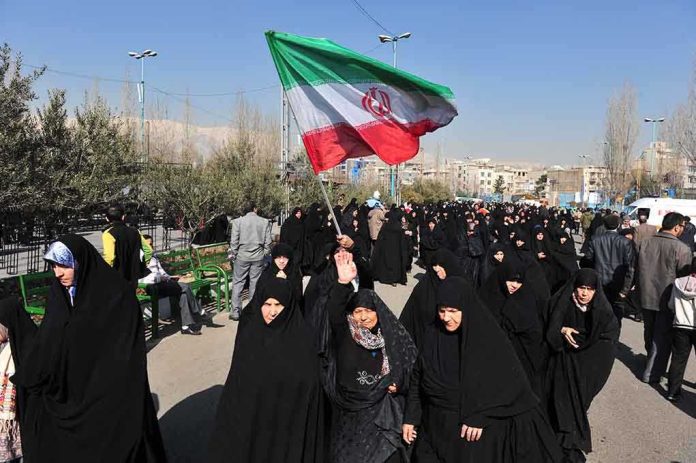
As of early January 2026, Iran is facing a surge in protests that began in late December. These protests were initially sparked by years of repression, economic hardship, and political authoritarianism. The Iranian security forces, including the IRGC, FARAJA police, and Basij, have responded with a nationwide crackdown. Reports indicate that dozens of protesters have been killed, although the true death toll may be much higher due to communication blackouts and hospital overloads.
The Iranian government has labeled the protesters as “rioters” and “saboteurs,” justifying their use of live ammunition and metal pellets against largely peaceful demonstrations. This approach has been met with severe criticism from rights groups, who warn that the situation is deteriorating into what can only be described as “mass killings.” Amnesty International and Human Rights Watch have documented at least 28 deaths within a few days, urging immediate international action.
Government’s Harsh Stance
The Iranian government’s response has been marked by a series of hardline statements and actions. Supreme Leader Ali Khamenei has publicly called for protesters to be “put in their place,” a statement interpreted by rights groups as a green light for severe repression. The IRGC in Lorestan has declared that the period of “tolerance” is over, threatening to target “rioters” without leniency. Meanwhile, the Judiciary has ordered prosecutors to expedite trials and show no leniency toward detainees, with some charges potentially carrying the death penalty.
These government actions are reminiscent of previous crackdowns, such as the 2019 fuel protests and the 2022–23 “Woman, Life, Freedom” protests. The current wave of repression is similarly characterized by the use of live fire, mass arrests, and internet shutdowns, which obscure the full extent of the violence and prevent accurate reporting on the ground.
Impact and International Response
The ongoing repression in Iran has significant implications for both the country and the international community. Domestically, it deepens the legitimacy crisis facing the Iranian government, as repeated cycles of violence erode public confidence, especially among the youth and minority groups. There is also a risk of radicalization as peaceful channels for dissent remain closed and mass killings continue unabated.
Internationally, the crackdown has drawn widespread condemnation. Rights groups are calling for urgent diplomatic and legal measures, including sanctions and UN interventions. However, the effectiveness of such measures remains uncertain, as past sanctions and statements have done little to prevent Iran from employing severe tactics in response to protests. The global community’s challenge is to find a way to effectively pressure Iran to halt its violent repression and allow for independent investigations into the ongoing human rights abuses.
Sources:
Iran: Deaths and injuries rise amid authorities’ renewed cycle of protest bloodshed
Iran protests continue, 116 people killed: Activists
Mass Killing of Protesters in Iran: The International Community Must Prevent Further Bloodshed