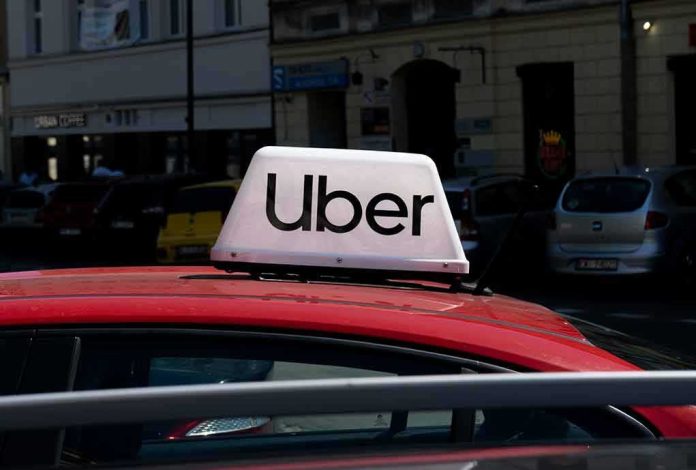
As Illinois moves to unionize Uber and Lyft drivers, many riders and drivers wonder if this “fix” will raise pay—or just raise prices and empower another layer of unaccountable middlemen.
Story Snapshot
- Illinois is on track to let more than 100,000 Uber and Lyft drivers form a union and bargain over pay and conditions.
- Supporters say union rights will finally give gig drivers a real voice and protections similar to other workers.
- Critics warn that new labor rules could drive up ride prices, reduce driver flexibility, and feed a growing regulatory bureaucracy.
- The fight reflects a deeper anger on left and right that powerful companies and political insiders keep rewriting the rules over ordinary workers’ heads.
What Illinois Is Doing For Rideshare Drivers
Illinois lawmakers have moved to give ride-hailing drivers the right to form unions and bargain over pay and working conditions with companies like Uber and Lyft.[2][5] A driver-led group called the Illinois Drivers Alliance, backed by major unions, says it will push statewide legislation that secures bargaining rights for more than 100,000 drivers who live in the state.[1] Uber has agreed not to fight this effort, after years of protests and pressure from driver coalitions in Chicago and across Illinois.[1]
Driver organizers argue that this breakthrough is needed because current federal labor law leaves gig workers in a gray zone.[1] Many drivers are treated as independent contractors, which means they lack the normal union and benefit rights of traditional employees.[5] The new state approach aims to build a special bargaining framework for rideshare, so drivers can negotiate over pay rates, safety standards, and deactivation policies while still being labeled contractors. Supporters frame this as basic fairness in a fast-growing part of the economy.[1][3]
How Supporters Say Unionization Helps Drivers
The Illinois Drivers Alliance and Chicago Gig Alliance say they are fighting for fair pay, job security, and stronger safety protections in an industry where drivers often feel disposable.[1][4] They claim that a union contract could set clearer rules on base pay, bonuses, and company fees, instead of leaving drivers at the mercy of changing app algorithms. Organizers also stress the need for better safety standards, both from passengers and from company policies, so drivers do not bear all the risk when something goes wrong.[4]
Backers point to state laws like the Freelance Worker Protection Act, which already gives independent contractors in Illinois the right to a written contract and timely payment, as proof that gig workers can win new rights without losing all flexibility.[2][6] That law bans retaliation against freelancers who demand what they are owed, and it lets them file complaints if a company does not pay on time.[2][6] For many workers on the left and the right who feel the system is rigged in favor of big corporations, these unions are seen as one way to push back against what they describe as “corporate greed” in the gig economy.[4]
Costs, Tradeoffs, And Fears Of A New Bureaucracy
Opponents of this kind of union drive warn that it rarely stops at “more voice for drivers.” They argue that once the state sets up a bargaining structure for app-based drivers, it opens the door to more rules, higher mandated pay floors, and costly benefit schemes that companies pass on to riders through higher fares.[2][5] That may feel like a win for some full-time drivers, but it can hurt part-time drivers who rely on flexible hours and could see fewer ride requests or stricter scheduling as companies adjust.
Some driver groups also worry that sector-wide bargaining may end up helping union officials and company lobbyists more than workers on the street.[5][7] They fear an alphabet soup of commissions and panels where lawyers and “experts” cut deals that most drivers never see, while the state expands its oversight of yet another industry. For readers already upset about a distant “deep state” that rewrites rules without real accountability, the idea of a new gig-work bureaucracy sounds like more of the same: decisions about their lives made in back rooms by people with safe salaries and pensions.
Where Left And Right Quietly Agree
The Illinois fight fits a larger pattern playing out across the country: gig-work unions are promoted as a fix for contractor insecurity, while critics see them as a step toward turning flexible side work into a heavily regulated, semi-governmental system.[2][5] A University of Illinois report notes that ride-hail drivers in cities like Seattle and New York have tried different paths to collective bargaining, and that companies sometimes support limited union structures once organizing pressure becomes too strong to ignore.[5] That mix of resistance, then controlled “blessing,” can look like big firms trying to shape the rules to suit themselves.
Both frustrated conservatives and frustrated liberals can see parts of their fears in this story. Many on the right worry about more regulation, higher prices, and union leaders acting like another set of elites. Many on the left worry about billion-dollar companies using “partnership” language to keep real power while drivers still struggle with low pay and unstable hours. Underneath the talking points, both sides share a deeper concern: a system where the rules keep changing, but ordinary workers and riders never seem to come first.
Sources:
[1] Web – Your Uber Driver May Soon Be Unionized. At What Cost?
[2] Web – Illinois Drivers Alliance Announces Historic Breakthrough that Paves …
[3] Web – Your Uber driver may soon be unionized. At what cost?
[4] Web – Resources for Gig Workers: Understanding Your Rights on The Job
[5] Web – During the spring legislative session, Illinois became the third state …
[6] Web – [PDF] Making Gigs Work – University of Illinois
[7] Web – Freelance Worker Protection Act – Illinois Department of Labor