
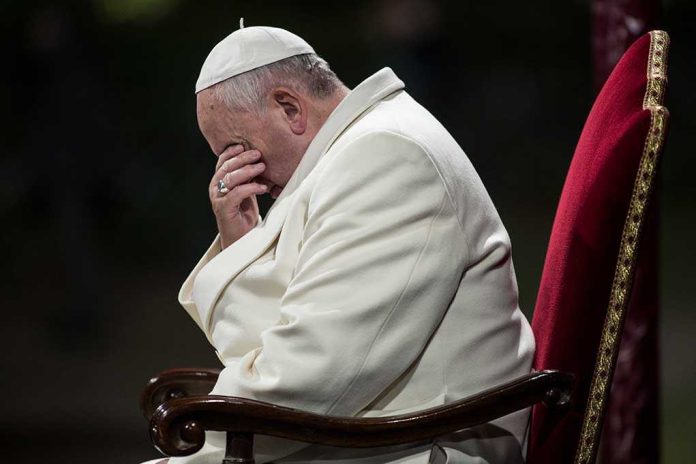
AI deepfakes and hoax headlines are now twisting the Pope’s words, proving again how powerful elites and tech platforms can rewrite reality while Americans struggle to discern the truth.
Story Snapshot
- Viral posts claim “Pope Leo reveals his secret,” including a fake story that he fathered a child and resigned, but fact‑checkers found no evidence this ever happened.
- The Vatican has issued formal warnings about AI‑generated videos and fake quotes being falsely attributed to Pope Leo XIV.
- Deepfake tools now let anonymous actors hijack religious authority to push politics, propaganda, and clickbait at massive scale.
- For conservatives who already distrust legacy media and Big Tech, this controversy is a fresh reminder to verify every “sensational” clip before believing it.
Hoax Claims About A “Secret Son” And Resignation
Social media users around the world have been bombarded with posts announcing that Pope Leo XIV “revealed he has a son and resigned from his post in the Vatican.” According to detailed analysis by the fact‑checking outlet Boatos.org, this scandalous story has all the marks of classic clickbait: no named sources, recycled photos, breathless language, and zero confirmation from any serious news organization or official Vatican channel. Their review concludes the story is a fabricated rumor, not a documented event.
Conservatives will recognize this pattern instantly. For years, we have watched ideological operatives weaponize half‑truths online to smear political opponents or manipulate public opinion. In this case, the target happens to be a pope rather than a border hawk or gun‑rights advocate. But the mechanics are the same: invent a sensational “secret,” spread it through networks that reward outrage, and count on busy readers never checking original sources or official statements.
Vatican Warning On AI Deepfakes And Fake Quotes
While the “secret son” narrative was spreading, Vatican News issued a rare and very specific warning about high‑tech misinformation. Officials described a 36‑minute AI‑generated video that used real footage of Pope Leo meeting journalists but replaced his words with an artificial voice praising Burkina Faso’s military ruler. The Vatican emphasized that every genuine speech or message since his May 8 election is posted on the official site, urging the faithful to verify any dramatic clip against those primary records.
This episode matters far beyond internal Catholic debates. AI “morphing” tools now let bad actors sync a leader’s lip movements to fake audio so convincingly that casual viewers cannot tell the difference. For Americans who watched bureaucrats, censors, and “fact‑check partnerships” throttle debate during the pandemic and 2020 election, the prospect of deepfaked religious or political messages should raise serious alarms. If a pope’s words can be rewritten this easily, the same tools can target pastors, candidates, or conservative commentators here at home.
Clickbait Religion And The Erosion Of Trust
Beyond the specific hoaxes, a broader ecosystem has emerged on YouTube and social platforms that trades on the Pope’s name without any formal connection to the Church. Channels package “final warnings,” “secret visions,” and dramatic end‑times scripts under branding like “Leo XIV Speaks,” even as their content bears little resemblance to the measured homilies reported by serious Catholic media. None of these clips appear in official Vatican repositories, yet their emotional style often convinces viewers that they are hearing direct papal prophecy.
For conservatives already weary of politicized pastors and watered‑down doctrine, this chaos cuts in two directions. On one hand, many rightly seek solid teaching and are hungry for clarity about moral collapse, war, and globalist overreach. On the other, the flood of anonymous “messages” risks turning faith into just another entertainment stream, where algorithms reward whoever shouts the loudest rather than whoever speaks truthfully. The end result is the same tactic we have seen in secular news: overwhelm audiences until they stop trusting anything.
Lessons For Americans Living In The Deepfake Age
The Vatican’s response so far has focused on education, not censorship: point people to original texts, clarify what is real, and expose specific fakes when they emerge. That approach lines up with core American conservative instincts. We do not want unelected tech executives or federal “disinformation boards” deciding what we are allowed to read. We want access to primary sources, honest labeling of synthetic content, and the freedom to form our own judgments under the First Amendment.
https://twitter.com/newsspanmedia/status/1998040474339127350
For readers who care about family, faith, and constitutional liberty, the “Pope Leo reveals his secret” saga offers a clear takeaway: treat every viral bombshell as unverified until you can trace it to an official document, full transcript, or trusted outlet with a track record. The same discipline that protects you from phony papal prophecies will protect you from doctored campaign videos, invented “hate incidents,” and AI‑polished narratives designed to push you away from your church, your country, and your common sense.
Sources:
Vatican warns about fake Pope Leo quotes and AI-generated videos – America Magazine