
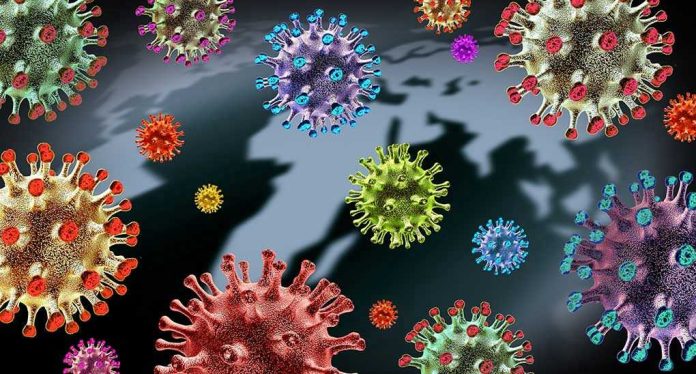
As South Carolina quarantines hundreds over a fast-spreading measles outbreak, many residents are asking whether years of heavy-handed public-health rules and school mandates have left communities less informed, more divided, and still unprepared.
Story Snapshot
- South Carolina’s Upstate faces 111 outbreak-linked measles cases and more than 250 people in quarantine.
- Most infections are in unvaccinated school-age children, with churches and schools at the center of exposure.
- Strict quarantines and school exclusions raise serious questions about government power versus parental authority.
- The outbreak exposes how past one-size-fits-all health messaging eroded trust in already skeptical communities.
Rapidly Growing Outbreak Puts Families And Schools Under Pressure
South Carolina’s Department of Public Health reports that the state’s 2025 measles outbreak has surged to 111 linked cases in the Upstate region, with 114 total cases statewide this year. The agency has ordered quarantine for roughly 254 people and isolation for 16 more, disrupting work, school, and church life across affected communities. Most cases are connected to a tight geographic cluster, where infections have moved quickly through families, congregations, and classrooms.
Public health officials say the lion’s share of infections are in children and teenagers, especially those between five and seventeen years old, and overwhelmingly among the unvaccinated or under-vaccinated. With measles able to linger in the air for up to two hours in enclosed spaces, a single contagious person can seed multiple new cases before realizing they are sick. Families now face the practical fallout of sudden quarantines, missed paychecks, and interrupted schooling for their kids.
Churches, Schools, And Quarantines At The Center Of The Crisis
Investigators have traced a significant portion of recent cases to exposure at Way of Truth Church in Inman, where at least sixteen of the newest infections were linked to prior gatherings. Inman Intermediate School has also become a focal point: dozens of students there have been ordered into quarantine after potential exposure, with some unable to return to the classroom until mid-December. Parents are again juggling makeshift childcare and ad hoc learning plans, echoing frustrations from the pandemic era.
Quarantine orders, school exclusions, and public “exposure site” lists are reviving long-standing debates over how far government should go in policing health behavior. Conservatives who accept that measles is serious still question whether blanket quarantines and rigid school policies strike the right balance between public safety and individual responsibility. Many see familiar patterns from previous administrations: bureaucrats centralizing decisions, families carrying the burden, and little accountability for agencies that failed to build real trust before the crisis hit.
Government Power, Parental Rights, And Lessons From Past Overreach
The outbreak lands in a country still scarred by years of shifting guidance, school closures, and mandates under prior leadership. In communities already skeptical of federal and state health bureaucracies, heavy-handed messaging has often produced more resistance than cooperation. When officials now insist that mass quarantine and strict exclusion rules are the only answer, some parents understandably hear the same top-down tone that drove wedges between neighbors and churches during COVID.
Conservatives are asking tougher questions: Why were pockets of low vaccination coverage allowed to grow without honest outreach long before this outbreak? Why were school and church leaders not treated as equal partners instead of afterthoughts in a press release? Limited data released so far do not identify the original index case or explain how early warnings were handled, leaving citizens to piece together a picture of an apparatus reactive to crisis, rather than focused on targeted, community-based prevention that respects local decision-making.
Protecting Health Without Handing More Power To Bureaucrats
The South Carolina response includes expanded testing, contact tracing, and vaccination clinics through health departments, pharmacies, and mobile units. Those tools can serve families well when offered as transparent options instead of political weapons. For many conservative parents, the priority is honest risk information and practical access, not lectures from officials who previously backed blanket restrictions that crushed small businesses, churches, and schools while doing little to fix underlying problems in public health.
As President Trump’s second administration pushes to rein in federal overreach, this outbreak is a reminder that state and local agencies also must answer for how they use emergency powers. Protecting vulnerable children and preserving community life should not be competing goals. Going forward, conservatives will watch closely to ensure that temporary measures do not quietly become permanent tools for expanded surveillance, coerced medical decisions, or renewed attempts to sideline parents and faith communities from choices about their own families.
Sources:
TUESDAY MEASLES UPDATE: DPH Reports 27 New Measles Cases in Upstate, Bringing Outbreak Total to 111
2025 South Carolina Measles Outbreak