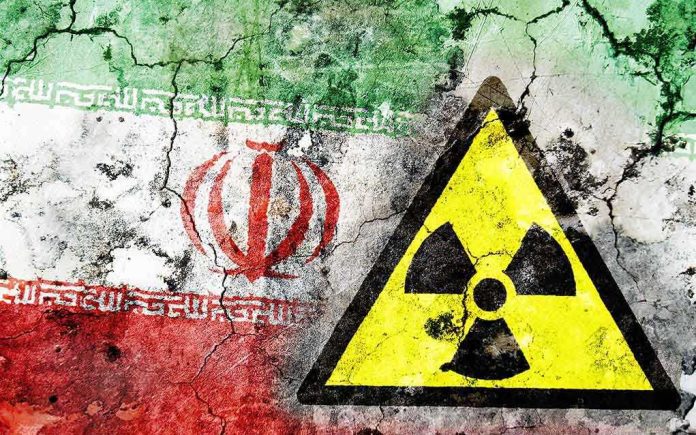
Trump says a “great settlement” with Iran is done and will stop a nuclear bomb, but the fine print shows a fragile framework that could still fall apart.
Story Snapshot
- Trump claims the United States and Iran have a deal “subject to finalization of documents,” tied to calling off planned strikes.
- Reports describe a 60‑day memorandum of understanding, ceasefire extension, and talks on Iran’s nuclear program, not a signed treaty.[1][3]
- Iranian officials and media call it a near or framework agreement, saying core issues still need work before any final signing.[1]
- Conservatives see both hope and risk: a chance to avoid war and block a bomb, but also a need for real enforcement and clear terms.[1][3]
Trump’s Claim: A “Great Settlement” And Canceled Strikes
President Donald Trump told reporters the United States and Iran have reached a “great settlement” that will be signed soon and will prevent Iran from getting a nuclear weapon.[4] He said the deal is “subject to finalization of documents,” meaning he views the hard bargaining as done and the remaining step as paperwork. Trump also tied this settlement to his decision to call off planned strikes on Iran that were expected within hours.[2] He framed the shift as choosing peace once Iran agreed to his terms.
Video clips and live updates show Trump saying Iran’s leaders “agreed to everything” on the United States proposal, including steps on nuclear issues and regional tensions.[4] In one CBS live update, he said a “settlement” had been reached and that a signing could happen as soon as the weekend, suggesting he believed the core deal was locked in.[2] Supporters see this as the Trump style of tough leverage: threaten force, drive the enemy to the table, and then take a deal he calls better for America.[4]
What Is Really In The Draft Deal?
Axios reports that United States and Iranian negotiators agreed on a 60‑day memorandum of understanding to extend the ceasefire and start talks on Iran’s nuclear program and sanctions relief.[3][1] The draft includes Iran’s pledge not to seek a nuclear weapon but leaves the detailed nuclear concessions for later talks during that 60‑day window.[1] Early topics include how to handle Iran’s enriched uranium stockpile and how to limit further enrichment, both core to stopping a bomb program.[1][3] The plan also covers reopening the Strait of Hormuz to oil traffic.[3]
A later Axios report says Trump met in the Situation Room and asked for several edits to the draft his own envoys negotiated.[1] He wants stricter language on how the United States would gain control of nuclear materials and clearer timelines.[1] He also wants changes to wording on shipping lanes and the Strait of Hormuz.[1] A senior official said Trump will only agree to a deal that “ensures Iran never obtains a nuclear weapon,” which fits his public promise but shows the text is still moving.[1]
Iran’s Position And Media Confusion Over “Deal”
PBS reports that Iran’s Foreign Ministry described the text as a “framework agreement,” saying it opens a path to discuss sanctions relief and regional issues but leaves key questions to later rounds.[1] Iranian state media say an agreement is near but not final and have floated claims that Iran would get billions in frozen assets, which the White House denies.[1] Other coverage notes Iran says nuclear matters are not yet fully resolved in this framework, even as United States sources say nuclear talks are built into the 60‑day plan.[3]
Short news clips and live blogs add to the confusion. CBS live updates say a “settlement” has been reached but also note that the framework still needs signatures from both Trump and Tehran.[2] Another CBS report quotes Vice President J. D. Vance saying the United States and Iran are “very close” to a deal but “not there yet.” A Guardian video stresses that there is no confirmation from Iran that a final agreement has been reached and warns viewers not to take Trump’s word alone as proof that everything is settled.[3]
Why This Matters For Conservatives: Peace Through Strength Or Risky Half‑Measure?
For many conservatives, the core question is simple: will this deal truly stop Iran from getting a nuclear weapon, or repeat the weak 2015 Iran nuclear deal that Trump rightly tore up for being one‑sided and easy to cheat?[5][6] The earlier Joint Comprehensive Plan of Action let Iran keep much of its nuclear capability and rewarded the regime with sanctions relief.[5] Trump’s first term exit from that deal showed he is willing to walk away from bad arrangements that endanger American and Israeli security.[5][6]
🇺🇸🗣️ Trump says a pending deal will ensure Iran never gets a nuclear weapon, according to @IsraelWarRoom pic.twitter.com/HCTuMaKYN6
— U.S.A.I. 🇺🇸 (@researchUSAI) June 11, 2026
The current framework looks tougher in rhetoric but still lacks full public text. Reports say it only creates 60 days of talks on enrichment and uranium stockpiles, not a permanent cap with snap inspections.[1][3] Trump’s own team admits he has asked for stronger terms and that Iran has not yet approved the final language.[1] That means this is not yet a binding treaty but a high‑risk, high‑reward moment: a chance to lock in “peace through strength,” or, if watered down, another temporary pause that lets Iran regroup. For readers who care about American strength, Israel’s safety, and real limits on terror states, the pressure now is on for clear terms, firm enforcement, and no secret side deals.
Sources:
[1] YouTube – Trump says U.S. has reached deal with Iran
[2] Web – Scoop: U.S. and Iran reach deal but need Trump’s final approval, …
[3] Web – Live Updates: Trump says “settlement” reached on Iran, signing could …
[4] Web – Exclusive: What’s inside the Iran deal Trump is close to signing – …
[5] Web – President Donald Trump said on Friday that Iran has “agreed to …
[6] Web – United States withdrawal from the Iran nuclear deal – Wikipedia