

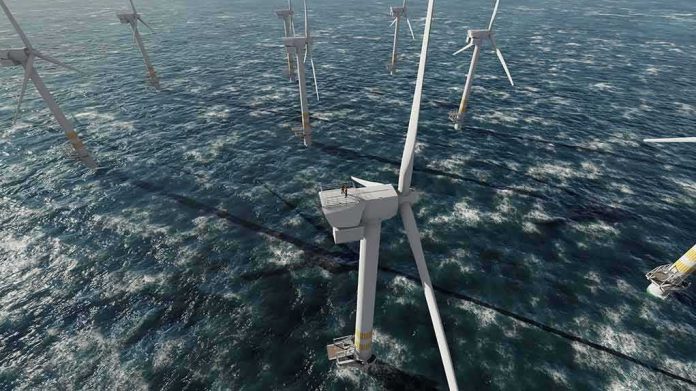
BP and Shell are scaling back renewables and steering billions back to oil and gas, citing weaker returns and investor pressure.
Story Snapshot
- BP cut planned renewable spending and raised oil and gas investment to $10 billion per year.
- Shell slowed offshore wind spending and split its power unit to focus on higher-return projects.
- Both moves were framed as responses to profits, cash flow, and investor demands.
- Executives said market shocks and slower transitions shaped the reset.
What BP Changed And Why It Matters
BP said it would raise annual oil and gas spending to $10 billion and cut planned renewable investment to about $1.5 to $2 billion per year. Chief Executive Murray Auchincloss called the shift a strategy reset aimed at restoring investor confidence and focusing on profitable growth. BP leaders said the energy transition has moved slower than they expected after the pandemic, the war in Ukraine, and price swings. The company said it will stay “very selective” in future clean-energy bets, with cash flow growth as the main goal.
BP also slowed hiring in 2024 and paused parts of its offshore wind plans to win over investors. That earlier step showed the new direction did not come from one bad quarter, but from months of pressure to improve returns. Investor groups pushed for stronger profits and steady dividends after share underperformance and project delays. The near-term result is less capital for wind and solar inside BP, and more for oil, gas, and trading where returns look clearer today.
How Shell Is Tightening Its Portfolio
Shell’s chief executive, Wael Sawan, ran a review that prioritized projects with the highest returns and trimmed costs across the company. Shell slowed spending on new offshore wind and split its power business to sharpen focus and cut risk. The company curtailed activity in offshore wind, solar, and hydrogen, signaling a narrower set of bets rather than a full exit from low-carbon energy. Reporting also showed workforce cuts in low-carbon units, which signals a real pullback, not just new messaging.
Shell’s approach fits a wider pattern among major European energy firms in 2024 and 2025. Companies shifted money back to higher-margin oil and gas as clean-energy project economics weakened and borrowing costs rose. Reporters described this as a retrenchment toward cash generation and dividends during uncertain markets. The message to shareholders is discipline: fund the projects that clear return hurdles now, and slow or cancel those that do not. That leaves fewer, later, or smaller green projects for the time being.
Investor Pressure, Slower Transitions, And Public Frustration
BBC reporting linked BP’s step to investor pressure and weak stock performance, including activism from Elliott Management. Reuters detailed how both companies answered calls for better returns by trimming or delaying lower-profit projects and favoring oil and gas spending. Executives also argued that policy shifts, supply bottlenecks, and cost spikes made some renewables less viable in the near term. The result matches what many feel across politics: large institutions say one thing, then follow the money when conditions get hard.
Shell is selling its onshore European renewables unit as BP continues to scale back its low-carbon investments. Reuters senior corporate energy correspondent in London, Stephanie Kelly, explains why the energy giants have moved away from renewables https://t.co/agnfbwIk49 pic.twitter.com/iWIIVcJ0gg
— Reuters (@Reuters) August 3, 2026
For households, the near-term effect could be mixed. More oil and gas can support supply and may soften price spikes. Fewer renewable builds could slow the long-run push to cheaper, homegrown power if costs later fall. The record here is firm on the shifts, but thin on project-level economics that prove each cut was the best financial choice. That gap feeds a broader distrust of elites on both left and right, who see companies and governments pivoting fast while families still face high bills and uncertain jobs.
Sources:
youtube.com, bbc.com, reuters.com, grist.org, telegraph.co.uk