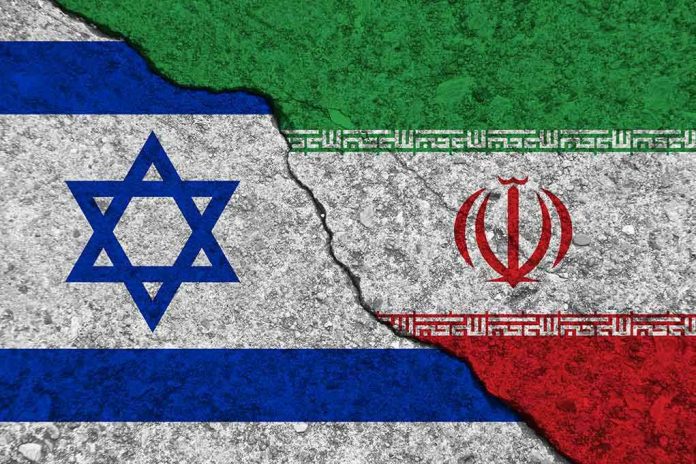
A rushed U.S.–Iran peace deal that skips hard questions on nukes and terror groups is exactly the kind of backroom bargain many Americans fear the “deep state” would make over their heads and behind Israel’s back.
Story Snapshot
- U.S. and Iran reached a 60-day framework to end the war and reopen vital shipping lanes, but left Iran’s nuclear and missile programs largely to later talks.
- Israeli officials and analysts across party lines say the deal is “not good,” warning it weakens Israel’s leverage in Washington while Iran keeps its proxies and rockets.[2][7]
- The memorandum of understanding puts ceasefire and economic stability first, while core security details rely on future negotiations that may never fully deliver.[2][5]
- Both right and left critics see a pattern: unelected negotiators strike complex deals, keep texts secret, and ask ordinary people to “trust” the same elites who failed them before.[1]
What the new U.S.–Iran deal actually does
The United States and Iran have agreed on a memorandum of understanding that sets up a 60-day ceasefire across all fronts, including Lebanon, and is meant to lead to a formal deal to end the war.[2][5][6] The framework also calls for reopening the Strait of Hormuz to global shipping and lifting the United States naval blockade on Iranian ports once the ceasefire holds.[5][6] Supporters say this could calm oil markets and lower energy prices worldwide, at least in the short term.[5] Mediators from Pakistan, Qatar, and other regional powers helped broker the terms, showing how much of this process happened far from American and Israeli voters.[5]
Reporting from Axios and other outlets shows that the nuclear file, the heart of many fears, is mostly pushed into the future.[2][5] The memorandum of understanding creates a 60-day window to negotiate what happens to Iran’s stockpile of highly enriched uranium and how its enrichment will be controlled, but there are no detailed limits in the initial text.[2][6] Analysts note there is also no clear language on Iran’s ballistic missiles, attack drones, or its support for armed groups like Hezbollah in Lebanon.[4][5] That structure lets leaders in Washington and Tehran claim a diplomatic “win” now while leaving the toughest fights for later.
Why Israeli leaders are calling it a ‘bad deal’
Israeli officials from across the political spectrum are reacting with alarm, describing the framework as a “not good deal” that harms Israel’s security interests.[1][2][7] A senior Israeli official told local media that Israel’s “voice is not being heard” in the process and that it has little power to shape terms that directly affect its safety.[2] Critics in Israel say the deal leaves Iran’s missile forces and proxy network intact while easing economic pressure, giving Tehran space to rebuild even after months of war.[1][2] Some military analysts argue this falls far short of earlier goals such as dismantling Iran’s nuclear and missile programs and weakening its regime.[1]
Commentary on Israeli television and in regional outlets stresses that Israel was not a direct party to the negotiations, yet is expected to live with the results.[2][3][5] Analysts warn that a ceasefire limiting Israeli action in Lebanon could restrict the Israeli military just as Hezbollah’s forces remain armed and dug in near the border.[3][5] Some security experts say the deal risks leaving Iran as a “nuclear threshold state,” able to move quickly toward a weapon if talks collapse or inspections fail.[1] That fear fits a long-running Israeli concern that Western diplomats accept temporary quiet in exchange for only partial limits on Iran.
How this fits a bigger pattern of elite deals and public distrust
Foreign policy experts note this deal follows a familiar pattern in negotiations with Iran: start with a broad ceasefire and economic steps, then promise to tackle missiles, proxies, and strict nuclear rules later.[1] The Council on Foreign Relations explains that the 2015 Iran nuclear deal also traded sanctions relief for nuclear limits while leaving out missiles and regional proxy wars, issues that later fueled backlash.[3][5] Today’s framework again offers sanctions relief and reopened trade lanes as talks continue over the hardest details, raising fears of history repeating itself.[2][6] For many in Israel and in the United States, this looks like another elite-crafted arrangement that could enrich Tehran before it truly changes course.
Across the American political divide, many citizens see this moment as proof that globalist-style dealmaking still dominates both parties. Conservatives worried about “America Last” diplomacy see U.S. leaders easing pressure on a hostile regime while allies like Israel feel sidelined.[1][2] Liberals who distrust war and secret bargaining see another opaque process run by high-level officials, with little transparency, no published final text, and heavy media spin about “peace.”[2][6] Both camps share a core concern: an unaccountable foreign policy class decides life-and-death issues, then asks regular people to simply accept the risks.
What to watch next for Israel, America, and the region
Over the next two months, the real test will be whether negotiators can turn this temporary framework into a binding agreement that truly limits Iran’s nuclear and missile capabilities.[2][5][6] Lawmakers in Washington could demand to see the full memorandum, side letters, and any promised enforcement tools, rather than relying on leaks and anonymous briefings.[2][6] In Israel, leaders will face pressure to decide whether to live with the deal, openly defy it, or act as a “spoiler” through strikes on Iranian and Hezbollah targets.[1][4][5] For Americans who feel the system serves elites first, this deal is a reminder to watch closely and demand that any peace is not just calm on paper, but real security in practice.
Sources:
[1] Web – US-Iran deal a ‘catastrophe’ for Israel, analysts say
[2] Web – 2026 Iran war ceasefire – Wikipedia
[3] Web – U.S. and Iran reach deal but need Trump’s final approval, officials …
[4] Web – What Is the Iran Nuclear Deal? | Council on Foreign Relations
[5] YouTube – US-Iran peace deal ends hostilities, but questions over peace remain
[6] YouTube – U.S., Iran reach new peace deal
[7] Web – What to know about a possible U.S.-Iran deal to end the war – PBS