A Christmas-week press room clash over kids’ presents exposed the media’s latest attempt to paint Trump’s America First agenda as out of touch with struggling families.
Story Snapshot
- President Trump’s “two or three dolls” comment is being weaponized to question his tariffs and economic record.
- The White House framed the remark as a call to buy fewer, higher-quality American-made gifts from small businesses.
- Corporate media fixated on a sound bite instead of falling inflation, rising real wages, and cheaper gas versus the Biden years.
- Polls confirm families still feel squeezed, highlighting the lingering damage from past inflation and globalist trade policies.
Press Room Clash Over Christmas Gifts and ‘Strong Economy’ Claims
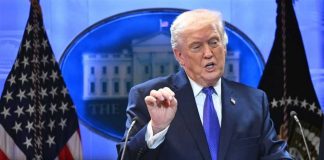
During a tense White House press briefing just days before Christmas 2025, Press Secretary Karoline Leavitt faced pointed questions from CNN’s Kaitlan Collins about President Trump’s recent campaign-style comments on children’s Christmas gifts. Collins highlighted Trump’s rally line telling parents, “You don’t need 37 dolls for your daughter. Two or three is nice,” and pressed how a billionaire president could claim a strong economy while advising families to scale back holiday spending. The exchange quickly became fodder for headlines portraying the remark as tone-deaf.
Leavitt responded by stressing that Trump’s point was not to shame parents but to encourage more intentional, American-made purchasing in an era of rampant cheap imports. She argued that families are better served by a few durable gifts produced by U.S. small businesses than by dozens of low-quality foreign toys. The press secretary repeatedly redirected attention to what she described as a healthier economic picture under Trump compared with the Biden years, accusing reporters of ignoring hard data in favor of narrative-driven questions.
Tariffs, Toy Prices, and the ‘Buy American’ Message
Trump’s “two or three dolls” line did not appear out of nowhere; it has been part of his broader defense of post-2024 tariffs on imported consumer goods, especially from China. Those tariffs inevitably raised sticker prices on many holiday items, including toys, but the administration has framed them as a necessary correction after decades of deindustrializing globalism. Earlier in 2025, Trump used similar language to explain that paying a bit more for fewer items can help rebuild domestic manufacturing and reduce dependence on adversarial regimes.
The Pennsylvania rally where Trump repeated the dolls remark came as his team doubled down on a “Buy American Christmas” theme. Supporters were urged to shift away from mass-produced foreign goods toward products made by local craftsmen, family-owned shops, and American manufacturers. The message resonated with conservatives who have watched hometown factories shutter while big-box retailers flooded shelves with cheap imports. Critics, however, seized on the quote to argue that tariffs were forcing families to cut back, contradicting claims of an improving economy.
Economic Realities: Recovery Gains Versus Lingering Pain
In defending Trump’s comments, Leavitt leaned heavily on economic indicators that the administration says prove its policies are working. She cited easing inflation compared with the peak years under Biden, along with rising real wages and lower gas prices. These gains align with Trump’s broader record of prioritizing American jobs, energy independence, and deregulation to boost take-home pay and reduce household costs. From the White House’s perspective, the press is refusing to acknowledge measurable progress because it undermines a preferred narrative of economic failure.
At the same time, polls show many Americans still feel squeezed, especially heading into the holidays. Surveys referenced in coverage of the briefing found that a significant share of families reported trouble affording Christmas gifts, even as macroeconomic data looked stronger. Grocery prices remain stubbornly high, and years of elevated inflation under the previous administration eroded savings and buying power. For older, working-class conservatives, this disconnect is familiar: official statistics may show improvement, but everyday life still reflects the damage inflicted by overspending, lockdowns, and globalist trade deals.
Media Framing, Populist Optics, and Conservative Concerns
Critics of Trump’s rhetoric emphasized the optics of a billionaire telling “average Americans” to buy fewer presents, portraying it as elitist and dismissive. Left-leaning outlets used the sound bite to question whether the president truly understands middle-class struggles. Yet the same reports largely downplayed his emphasis on supporting small businesses and restoring American manufacturing capacity. For many conservatives, this imbalance looks like another example of corporate media caring more about scoring ideological points than examining long-term economic strategy.
The press room confrontation also revived a familiar dynamic: Republican administrations pointing to hard numbers, and liberal commentators focusing on tone and symbolism. Supporters argue that Trump’s blunt style masks a fundamentally pro-worker, pro-family economic vision centered on stable jobs, fair trade, and secure supply chains. They see the outrage over a single Christmas comment as manufactured, especially compared with the media’s relative indifference when Biden’s inflation spike forced parents to scale back holidays without any honest national conversation about root causes.
For conservative families, the real story goes beyond a viral line about dolls. It reflects a choice between two models: a return to pre-Trump globalism that floods the country with cheap goods while hollowing out communities, or a slower, sometimes costlier path that aims to rebuild American industry and independence. Trump’s defenders argue that fewer, higher-quality gifts funded by stable American jobs are better for children and parents than closets full of disposable imports bought on maxed-out credit cards. The media may mock that message, but it speaks directly to voters tired of short-term fixes and long-term decline.
Sources:
White House Struggles to Defend Trump Idea to Limit Kids’ Presents
Trump admin tells US national parks to remove gift shop items tied to DEI messaging
Trump’s State AI Executive Order
Poll reveals Americans struggling to buy holiday gifts