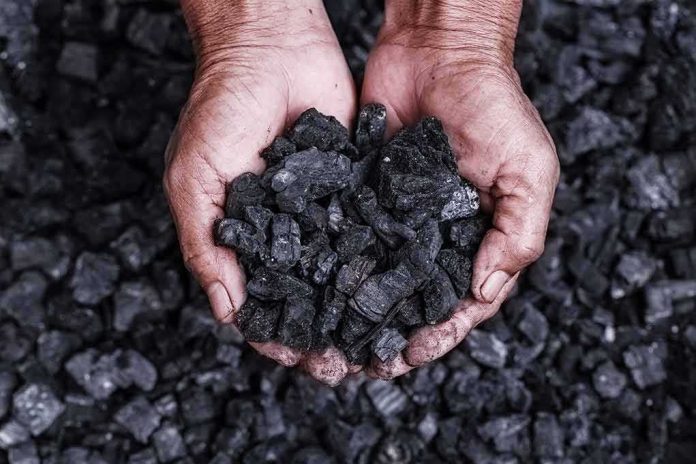
The Biden-era rule that told coal plants to capture their smokestack carbon or close their doors is gone. On Monday the Environmental Protection Agency repealed it outright, and in the same breath proposed a second rule that would keep the next administration from ever writing it again.
Story Snapshot
- On September 14, EPA repealed the 2024 greenhouse-gas limits on coal and natural-gas power plants, the rule that required coal units to capture emissions or shut down.
- The announcement landed as EPA chief Lee Zeldin, Interior Secretary Doug Burgum, and Energy Secretary Chris Wright hosted G20 energy ministers in Houston for a meeting billed around “energy abundance.”
- EPA says the repeal removes more than $300 billion in industry costs. Zeldin: the administration “has come in to protect American energy and to make sure you can afford to keep the lights on.”
- A separate proposal would find that power-plant greenhouse gases “do not contribute significantly to dangerous air pollution,” which would strip future EPAs of the legal hook to regulate them at all.
What EPA Actually Did On Monday
The repealed rule was the centerpiece of the Biden climate program for the power sector. Issued in 2024, it required coal plants that intended to keep running long-term to capture their smokestack carbon emissions or retire, and set carbon standards for new gas plants. Coal operators called it a shutdown order with extra steps. EPA Assistant Administrator Aaron Szabo said the repeal lets utilities “make the best decision for the ratepayers based on cost and cost savings, instead of being required to shut down facilities.”
Zeldin has argued for months that the Biden rules were written to “suffocate our economy” and regulate coal “out of existence.” The repeal follows a June 2025 proposal and closes out one of the roughly 30 environmental rollbacks Zeldin announced in early 2025, a day he called “the most consequential day of deregulation in American history.” President Trump has called climate change “the greatest con job ever perpetrated on the world,” and the United States is again outside the Paris climate accord.
The Second Move: Locking The Door Behind Them
The repeal itself was expected. The proposal that came with it is the part opponents are focused on. Under the Clean Air Act, EPA can only regulate a pollutant from a source category if it finds that category “contributes significantly” to dangerous air pollution. The Trump EPA is now proposing to find that greenhouse gases from fossil-fuel power plants do not meet that threshold, even though the power sector produced about 31 percent of U.S. carbon emissions from fossil-fuel burning in 2023, roughly a quarter of the nation’s total climate pollution.
If that finding is finalized and survives in court, a future Democratic administration could not simply write a new power-plant carbon rule. It would first have to reverse the finding, defend that reversal, and then start the rulemaking over. That is why Environmental Defense Fund general counsel Vickie Patton called the package a move to tear down “our national protections against climate pollution from power plants,” and why Al Gore said it takes America “in the exact opposite direction of the rest of the world.”
Cost, Reliability, And The $4.31 Gallon
The administration is selling this as a pocketbook decision. Gas is averaging $4.31 a gallon, up more than a dollar from a year ago, and electricity demand is climbing as data centers and AI computing come online. Michelle Bloodworth, CEO of the coal trade group America’s Power, said lifting the rule “will protect grid reliability and shield electricity consumers from higher costs.” The group had called the Biden rule an EPA “overreach” that would force dispatchable plants offline just as the grid needs them.
Opponents counter with EPA’s own Biden-era math: the repealed rules were projected to prevent about 30,000 deaths a year and deliver roughly $275 billion in annual health and climate benefits. Patton said families “are already suffering from record-breaking heat, more dangerous floods and storms, and skyrocketing insurance costs.” More than a dozen environmental and health groups have already sued Zeldin’s EPA over earlier rollbacks and say this one is headed to court immediately.
What Happens Next
Expect two fights. The repeal will be challenged in the D.C. Circuit within days. The “significant contribution” proposal now enters a public comment period before EPA can finalize it, and that is where the long-term stakes sit. The Supreme Court’s 2022 decision in West Virginia v. EPA already narrowed how far the agency can reach into the power market. If the courts accept that the agency can also decide the sector is not a significant contributor, the power-plant carbon rule becomes a dead letter for as long as that finding stands. Watch for the comment deadline, the first lawsuit filings, and whether any Republican-led utilities break with the coal lobby over the reliability argument.
Sources:
local10.com, apnews.com, epa.gov, federalregister.gov