
Iran’s rulers are using the fog of war to throw thousands of their own people into prison on phony “spy” charges while the world looks the other way.
Story Snapshot
- Iran’s police chief admits 6,500 arrests since February, branding citizens “traitors” and “spies.”
- Human rights groups say many detainees are peaceful protesters, journalists, and minorities, not enemy agents.
- At least 39 people have already been executed after rushed, unfair trials, with more at risk.
- Internet blackouts and sham “confessions” on state TV help Tehran hide torture and mass repression.
Iran’s New Wave of Arrests under Cover of War
Iran’s police chief Ahmadreza Radan now openly boasts that security forces have arrested more than 6,500 people since the war with the United States and Israel began on February 28, calling them “traitors” and “spies.”[4] State media says this dragnet is part of a campaign against people linked to foreign enemies and those blamed for nationwide protests back in January. None of those arrested in the January uprising have been released, which shows this is not about short-term security but long-term control.[3]
Major human rights groups paint a much darker picture behind those numbers. Amnesty International reports that more than 6,000 of those detained include protesters, journalists, lawyers, human rights defenders, and ethnic and religious minorities whose only “crime” was peaceful activism or speech protected by international law.[1] Human Rights Watch describes a “tsunami” of arbitrary arrests and enforced disappearances, with tens of thousands detained since late 2025 as Iran tries to terrorize its own population into silence.[6]
Executions, Sham Trials, and Torture behind Closed Doors
While Iran’s leaders talk about “national security,” the courtroom reality looks more like a conveyor belt to the gallows. Amnesty International has documented at least 39 political executions in recent months, including protesters, dissidents, and people accused of spying or “armed rebellion,” all after unfair trials based on torture‑tainted confessions.[1] A United Nations fact‑finding mission and rights groups say detainees are denied lawyers, hidden from families, and pushed through rushed cases that fail even basic legal standards.[5]
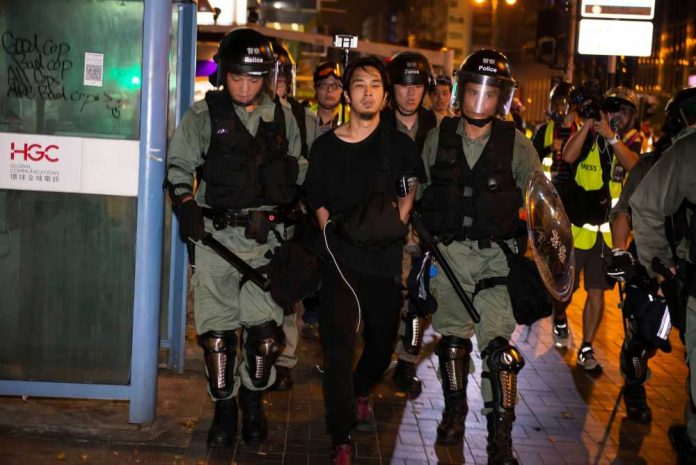
Reports from inside Iran describe violent raids, secret prisons, and brutal abuse. Rights monitors say security forces have seized people from their homes at night, from workplaces, and even from hospitals where wounded protesters were seeking care.[8] Many are held in unofficial sites like warehouses and makeshift detention centers, where torture is used to force “confessions” that are later aired on state television to sell the regime’s story that these are enemy agents, not everyday Iranians demanding freedom.[14]
War Narrative as a Tool to Crush Dissent
This crackdown fits a long pattern that should worry every American who cares about freedom. Researchers note that whenever Iranians rise up—2009, 2019, 2022, and now 2025–2026—the regime quickly rebrands protests as a foreign “hybrid war” to justify deadly force, mass arrests, and executions.[20] During the January 2026 uprising, authorities imposed a near‑total internet blackout, used live ammunition on crowds, and then claimed they were fighting terrorism and separatism instead of facing their own citizens’ demands.[25]
Iran has arrested more than 3,000 people accused of collaborating with "the enemy" during its recent conflict with Israel. The arrests are part of a sweeping crackdown launched after the war, with officials claiming those detained helped Israel carry out intelligence operations,… https://t.co/Z5Pv4oBSMi
— Israel Now (@neveragainlive1) June 23, 2026
By tying dissent to the United States and Israel, Iran’s rulers get several benefits: they rally hardliners around the flag, smear opponents as traitors, and create a fake “legal” basis for seizing property and jailing critics by the thousands.[19] Human Rights Watch reports that senior officials, the Revolutionary Guards, the intelligence ministry, and regular police worked together in a coordinated campaign to crush protests and hide killings, showing this is a deliberate strategy, not a few rogue officers going too far.[15]
Why This Matters for Americans and Our Values
For conservative Americans, the lesson is clear and sobering. Iran’s regime shows what happens when government power goes unchecked, when speech is equated with treason, and when “national security” becomes a blank check for surveillance, censorship, and political arrests. The same leaders now jailing teenagers, women, and religious minorities as “spies” also run well‑documented propaganda and disinformation campaigns, even using social media channels to push lies during wartime.[23] That is the polar opposite of the free society our Constitution was written to protect.
Human rights groups warn that the real number of arrests may already be in the tens of thousands, and that the initial 6,500 figure is likely an undercount given severe internet controls and fear of speaking out.[19] For Americans watching from afar, this is not just a foreign tragedy. It is a reminder that our own rights—speech, faith, family, and the right to bear arms—only survive when citizens stay alert to government overreach and stand with those abroad who are paying in blood for freedoms we often take for granted.
Sources:
[1] Web – Iran’s Regime Arrested Thousands More Dissidents in Last Few Months
[3] Web – Reactions to the 2025–2026 Iranian protests – Wikipedia
[4] YouTube – LIVE: UN Says Mass Crackdown in Iran Amid War: 21 …
[5] Web – Deadly Repression in Iran: Killings and Sweeping Arrests 09 …
[6] Web – UN Fact-Finding Mission Warns Iran’s Human Rights Crisis Could …
[8] Web – [PDF] Finding Mission on the Islamic Republic of Iran – ohchr
[14] Web – Iran rounds up thousands in mass arrest campaign after crushing …
[15] Web – Systematic Repression and Enforced Disappearances … – Iran HRM
[19] Web – 2025–2026 Iranian protests – Wikipedia
[20] Web – While the War Raged On: Repression in Iran – JINSA
[23] Web – From Streets to Gravesites: How Has Protest in Iran Adapted after …
[25] Web – Rethinking Political Change in Iran from Protest to War – MERIP