
A fresh wave of concerns about media bias is erupting as a MAGA influencer claims a new Netflix–Warner Bros. deal proves the Obamas are quietly tightening their grip on what Americans see and hear.
Story Snapshot
- A MAGA commentator alleges a Netflix–Warner Bros. partnership helps the Obamas expand ideological influence over entertainment content.
- The claims reflect long-standing conservative worries about big media, Silicon Valley, and political elites shaping culture.
- Questions focus on who controls production deals, what kinds of stories get funded, and how often left‑leaning narratives dominate.
- The controversy underscores why many conservatives are turning to alternative platforms and independent creators.
MAGA influencer’s claim about the Netflix–Warner Bros.–Obama connection
A prominent MAGA influencer argues that a recent collaboration between Netflix and Warner Bros. is not just another Hollywood business arrangement but further evidence that the Obamas are trying to control the media narrative that reaches American households. He frames the deal as part of a broader pattern, tying it to the Obamas’ existing production relationship with Netflix and pointing to a growing pipeline of content created or shaped by progressive political figures and their allies in the entertainment industry. According to his reasoning, the concern is not that former politicians produce content at all, but that their projects come packaged through the largest streaming platforms, where they can quietly influence culture and politics without the scrutiny applied to formal campaign messaging or news programming.
The influencer stresses that the issue is scale and gatekeeping power, not just partisan disagreement. Netflix and Warner Bros. together command enormous reach through theatrical releases, streaming catalogs, and global licensing, so when those pipelines align with high‑profile progressive figures like the Obamas, conservatives worry about a soft but constant ideological tilt in films, documentaries, and series. By his account, viewers do not get transparent political debates; instead, they encounter storylines that subtly normalize left‑wing positions on immigration, climate, race, gender, and American history while marginalizing traditional values and skepticism toward big government.
Why conservatives see the deal as another step in cultural capture
For many conservative, Trump‑supporting viewers who endured years of “woke” programming, the idea of the Obamas gaining more influence in Hollywood fits a familiar pattern of cultural capture. They watched family‑friendly franchises reworked to emphasize identity politics, historical dramas rewritten to cast the United States as primarily oppressive, and documentaries celebrating globalist institutions that weaken national sovereignty. Against that backdrop, a deeper Obama footprint in Netflix‑connected content feels less like harmless entertainment and more like sustained messaging nudging audiences away from American exceptionalism and toward elite, coastal progressivism.
These concerns tie directly into long‑standing frustrations about how major studios and streaming giants treat conservative stories and voices. Right‑leaning characters often appear as caricatures or villains, while serious faith, patriotism, and skepticism of big government are underrepresented or mocked. When a former Democratic president and first lady become high‑profile content power brokers in that environment, the fear is that gatekeeping will harden: projects aligned with traditional family values, gun rights, border security, or criticism of vast federal bureaucracies may find fewer paths to funding and distribution, while projects reinforcing progressive narratives encounter fewer obstacles and enjoy enthusiastic promotion across home screens.
Media consolidation, narrative control, and the stakes for culture
Concerns about the Netflix–Warner Bros. deal intersect with broader conservative alarm over media consolidation and narrative control. A handful of corporations already dominate news, social media, and entertainment pipelines, and many on the right believe those institutions lean left and enforce ideological conformity through hiring, commissioning, and promotion decisions. When political elites or their foundations become formally embedded in that ecosystem as producers and tastemakers, critics argue that lines between entertainment, political messaging, and corporate activism blur, leaving everyday Americans consuming content shaped by people who are unaccountable at the ballot box yet deeply invested in policy outcomes.
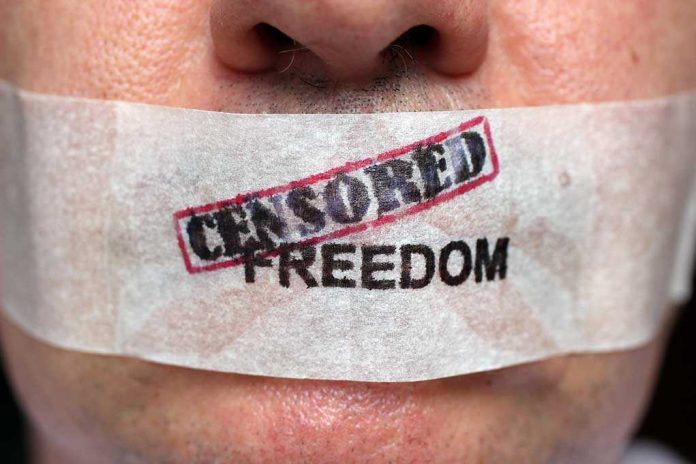
From a constitutional and cultural standpoint, conservatives worry less about formal censorship and more about a de facto information monopoly. When similar ideological perspectives guide Hollywood studios, legacy newsrooms, and Silicon Valley platforms, dissenting views on immigration enforcement, gender ideology in schools, parental rights, or Second Amendment protections may be drowned out rather than debated. The MAGA influencer’s warning about the Obamas “trying to control the media” taps into this anxiety: the fear that coordinated storytelling across powerful platforms gradually redefines what is considered mainstream, making traditional positions look extreme or unacceptable without ever openly banning them.
How the Trump era and alternative media reshape the battlefield
Trump’s return to the White House has energized efforts on the right to build parallel institutions that counterbalance legacy media and entertainment power. Independent creators, conservative streaming services, and alternative news outlets now reach millions of viewers who feel talked down to by the Hollywood–tech nexus. The influencer’s critique of the Netflix–Warner Bros.–Obama triangle serves as both a warning and a rallying call, urging audiences to think carefully about who funds and frames the stories they consume and to support platforms that respect constitutional principles, border security, and traditional family values rather than undermining them by stealth.
Despite the intensity of the rhetoric, the available public information about the Netflix–Warner Bros. arrangement and the Obamas’ production role is limited, which means claims about specific editorial decisions or direct political coordination remain unproven. What is clear is that cultural influence often moves through entertainment more effectively than through campaign ads, and conservatives who remember years of one‑sided narratives in news and streaming content have legitimate reasons to scrutinize who holds the keys to major platforms. Where concrete data are missing, the prudent response is heightened vigilance, media literacy, and continued support for competitive, viewpoint‑diverse outlets rather than resignation to a cultural monopoly.