
U.S. Central Command says American forces disabled three Iranian oil tankers after Iran targeted U.S. Navy ships, risking a wider fight at the world’s key oil chokepoint.
Story Snapshot
- CENTCOM says it struck three Iranian oil tankers after Iranian attacks on U.S. Navy ships.
- U.S. officials frame the strikes as self-defense and a warning to protect sea trade.
- Iran calls the moves illegal and a ceasefire violation, vowing to respond.
- The Strait of Hormuz remains a flashpoint with fast-moving claims and counterclaims.
What CENTCOM Says Happened
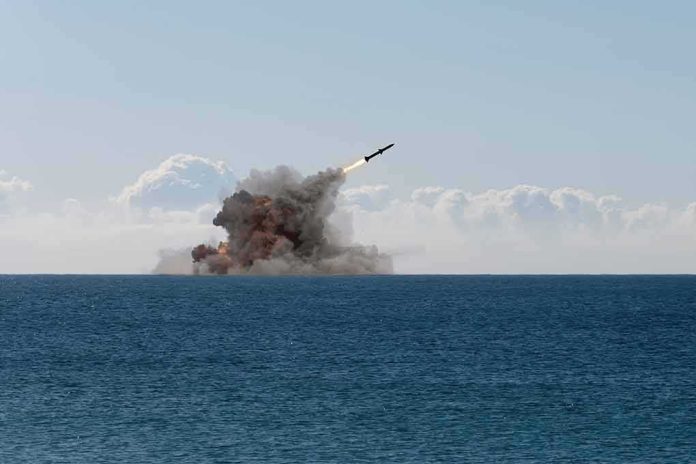
U.S. Central Command said American forces struck and disabled three Iranian oil tankers after Iran fired on U.S. Navy ships near the Strait of Hormuz. CENTCOM described the operation as self-defense tied to recent maritime attacks and a broader campaign to protect trade routes. Public statements also noted dozens of other Iranian targets hit this month to reduce Iran’s strike capacity. The command said the goal is to impose costs and protect freedom of navigation in international waters.
CENTCOM has repeatedly said it does not seek a larger war but will act to defend U.S. forces and ships. Prior statements detailed strikes on missile sites, radar, and fast boats used to threaten sea lanes. Those actions followed reports of tankers hit in or near the strait and attempted attacks on U.S. vessels. Officials argue the response is necessary and proportionate under international law’s self-defense standards. That framing anchors Washington’s case for continued operations.
How Iran Frames the Escalation
Iran’s Foreign Ministry condemned the U.S. actions as aggressive and illegal. Tehran said U.S. forces hit an Iranian tanker and a telecommunications site and violated a fragile ceasefire. Iranian outlets claimed the first strike damaged a tanker’s engine and that Iranian forces then hit U.S. vessels. Iran warned it would use all means to answer future attacks. These claims come through state-linked channels and secondary reports, not independent verification.
The competing stories follow a familiar script in the strait. One side cites self-defense after a maritime attack. The other side calls it unlawful force. During past crises, public evidence often lagged behind official claims. That delay lets early narratives harden before full records emerge. This is why many outside experts urge caution on instant judgments while focusing on clear, on-the-record actions each side confirms.
Why This Matters for Americans
The Strait of Hormuz moves a major share of the world’s seaborne oil. Any fight there can rattle energy markets and raise costs at home. Even short spikes hit working families through gas, shipping, and food prices. Many Americans on the right and the left already feel squeezed by higher bills and a sense that leaders miss basic kitchen-table worries. Another open-ended fight risks adding costs without a clear plan to end them. That fear crosses party lines.
Tensions are rising in the Middle East following a U. S. attack on an Iranian tanker near Kharg Island, while diplomatic efforts continue in Ukraine. Monitoring remains critical as developments unfold #AIAnalysis #OSINT #Ukraine #Russia #NATO #Iran #Israel #MiddleEast pic.twitter.com/DqolITuuf9
— ORACLE World Risk Intelligence (@Oracle_Intel) September 5, 2026
Americans also worry about transparency. People remember past wars where goals shifted and timelines slipped. Here, precision matters. Clear mission limits, legal grounds, and how Washington measures success all matter to trust. U.S. officials say strikes aim to deter attacks and keep ships safe. To win public support, they will need to show how today’s actions reduce risk tomorrow, not just trade one round of strikes for the next.
What To Watch Next
Watch for three signals. First, maritime reporting on new attacks or boardings in or near the strait. Second, any proof from either side that clarifies which ship fired first and where. Third, energy market moves that filter into fuel and freight prices. Also track whether U.S. officials tighten sanctions or expand targets, and whether Iran widens its response beyond the waterway. Each step up the ladder makes de-escalation harder and costs higher.
Sources:
facebook.com, reuters.com, defence-blog.com, foxnews.com, centcom.mil, aljazeera.com, axios.com, moneycontrol.com, bbc.com, strausscenter.org