
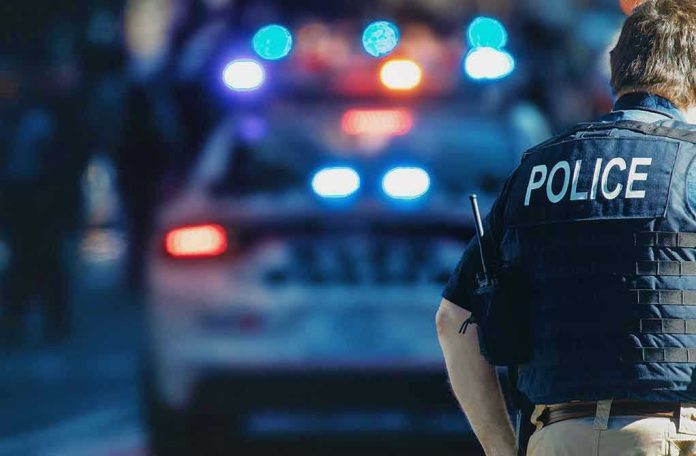
On a weekend meant for fireworks and family, Milwaukee’s streets lit up with gunfire instead, underscoring how far city leaders and federal officials remain from restoring basic safety.
Story Snapshot
- Multiple unrelated shootings over the July 4 weekend left several people shot and at least one dead, turning celebrations into chaos.
- Police dispatchers were already overwhelmed by gunfire calls on New Year’s Day 2026, showing a pattern of rising violence long before this holiday.
- Data from recent years shows gun violence in Milwaukee has more than doubled since before the pandemic and now costs taxpayers nearly a billion dollars a year.
- The “war zone” label may be media spin, but the daily reality of shootings and fear is very real for residents on both sides of the political divide.
Holiday Shootings Turn Celebration into Crisis
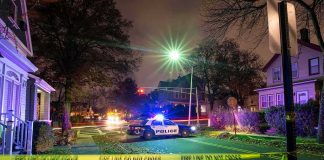
Milwaukee Police reported a series of unrelated shootings over the July 4, 2026 holiday period, including an incident near 77th Street and Capitol Drive around 4 a.m. where one person was wounded and another was killed. A FOX6 report confirms the Milwaukee County Medical Examiner’s Office found one victim dead at that scene, turning a quiet early morning into another crime tape tragedy. These shootings happened while many families were still cleaning up from cookouts and fireworks.
Urban Milwaukee’s summary notes “multiple shootings” and a fatal collision across the city that day, but does not give a full count of victims or a clear total for the weekend. That lack of clear numbers makes it hard for citizens to judge how bad the holiday violence truly was, yet they still see flashing lights and blocked streets in their own neighborhoods. Many residents, already distrustful of both local leaders and Washington, feel once again that they are left guessing about basic public safety.
Gunfire Has Become a Normal Background Noise
The July 4 violence did not come out of nowhere; it followed a New Year’s pattern where gunfire erupted across Milwaukee just minutes after midnight on January 1, 2026, overwhelming police dispatchers with dozens of “shots fired” calls. A video report shows the city’s emergency phone lines jammed as people called in bursts of gunshots instead of holiday cheers. When gunfire becomes routine on major holidays, many residents start to feel like they live in a combat zone rather than a Midwestern city.
Independent research using Milwaukee Police Department call logs suggests that gunfire more than doubled during the pandemic years in much of the city and has stayed far above 2019 levels. A 2024 assessment found Milwaukee has averaged about 193 homicides and 862 injury shootings annually over the last three years, with each year’s shootings expected to cost taxpayers about $950 million in emergency response, lost tax revenue, and long-term incarceration. Those costs land on working families and small businesses, not on the political and corporate elites many blame for failing to act.
Behind the “War Zone” Label: Spin Versus Hard Numbers
The phrase “Two Blue Cities Were War Zones Over the Holiday Weekend” comes from a media outlet using July 4 shootings in Milwaukee and other Democratic-led cities to argue that urban areas under liberal policies are collapsing. This language hits nerves for conservatives who feel past “woke” and soft-on-crime decisions invited chaos, and for liberals who see it as a way to score points while ignoring deeper poverty and inequality. But the press release from Milwaukee Police simply lists incidents and calls them unrelated; it never uses “war zone” or similar terms.
Researchers warn that gun violence in Milwaukee is tied closely to long-term issues like concentrated poverty, lack of stable housing, and weak job options in certain neighborhoods, where firearm injury patients are hurt and then return to the same disadvantaged areas. A formal city study estimates each fatal shooting costs over $2 million when all direct and indirect effects are counted. When leaders in both parties focus more on partisan talking points than these root causes, many ordinary Americans see yet another sign that government is serving donors and bureaucrats, not the people living with trauma and boarded-up homes.
Citizens Caught Between Fear, Anger, and Empty Promises
For residents on Milwaukee’s north and west sides, the debate over whether the city is a “war zone” feels almost beside the point; they just want to know their kids can walk to a park without crossing a crime scene. Conservatives over 40 see the shootings as proof that years of lenient crime policies, weak border security, and focus on culture wars instead of order have failed. Liberals over 40 see the same events as proof that “America First” slogans and shrinking social programs have left the poorest neighborhoods defenseless.
Both sides increasingly agree on one harsh conclusion: the system is not working. Milwaukee’s rising gun violence, unclear holiday crime reporting, and lack of strong, sustained answers from city hall or Washington feed the belief that a distant “deep state” protects its own jobs while neighborhoods absorb the bullets. Until leaders match words with transparent data and real action that reduces shootings year after year, holiday weekends will keep exposing this gap between patriotic speeches and life on the ground.
Sources:
townhall.com, facebook.com, fox32chicago.com, youtube.com, fox6now.com, wpr.org, mcw.edu