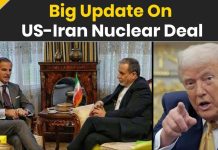

President Trump’s bold initiative to create a Board of Peace as an alternative to the failing United Nations is rattling the globalist establishment, with invitations extended to China and Russia despite howls of protest from European bureaucrats and liberal critics.
Story Highlights
- Trump chairs new Board of Peace, inviting China and Russia to join 27+ countries in global conflict resolution effort
- Board emerges as alternative to ineffective UN following U.S. withdrawal from 66 UN agencies in early 2026
- Executive board includes Marco Rubio, Jared Kushner, and Tony Blair, with $5 billion already pledged for Gaza reconstruction
- European nations and Ukraine reject membership over Russia’s inclusion, exposing globalist resistance to practical diplomacy
- Inaugural meeting held February 19, 2026, in Washington with authority expanding beyond Gaza to worldwide peacekeeping
Trump Launches UN Alternative With Board of Peace
President Trump established the Board of Peace in January 2026, following UN Security Council Resolution 2803’s approval of his 20-point Comprehensive Plan to End the Gaza Conflict. The board, ratified at the Davos World Economic Forum, positions Trump as chairman overseeing Gaza’s reconstruction and governance transition. Unlike bloated UN bureaucracies, this streamlined body includes heavyweight members such as Secretary Marco Rubio, former UK Prime Minister Tony Blair, World Bank President Ajay Banga, and Trump’s trusted advisor Jared Kushner. The board already secured over $5 billion in pledges for Gaza reconstruction, demonstrating real results where the UN has repeatedly failed.
Major Powers Receive Invitations Despite Globalist Objections
Trump announced he would “love to have China and Russia” join the Board of Peace, confirming both nations received invitations. Twenty-seven countries have joined, including Saudi Arabia, Turkey, Indonesia, Israel, Uzbekistan, Vietnam, and Belarus. China, Russia, and India remain noncommittal, carefully weighing their options. The United Kingdom rejected membership, citing Russia’s invitation, while Ukraine’s leadership called the concept “absurd” due to Belarus and Russia’s potential participation. These rejections reveal how European elites prioritize virtue signaling over pragmatic conflict resolution, preferring to maintain failed diplomatic channels rather than support Trump’s innovative approach to global peacekeeping.
Board Expands Mandate Beyond Gaza Reconstruction
While originally conceived for Gaza governance until Palestinian Authority reforms occur, the Board of Peace charter adopted a broader mandate for worldwide conflict resolution. The executive structure includes real estate developer Steve Witkoff and Apollo Global Management CEO Marc Rowan, bringing private sector efficiency to international diplomacy. Italy, Greece, South Korea, and the European Union accepted observer status, hedging their positions. The board operates independently from UN constraints, offering $1 billion permanent membership slots to committed nations. This pay-to-play structure ensures serious participation unlike UN dues that fund bloated bureaucracies. Critics claim this represents profit motives, but conservatives recognize accountability mechanisms absent from unelected international bodies.
Strategic Implications for American Foreign Policy
The Board of Peace emerged as America withdrew from 66 UN agencies in early 2026, marking Trump’s decisive break from globalist multilateralism that repeatedly undermined American sovereignty and interests. The board’s formation builds on Trump’s successful Abraham Accords from his first term, which achieved more Middle East peace progress than decades of failed UN mediation. With Trump controlling invitations and board operations, American leadership replaces consensus-driven UN paralysis. The inaugural February 19 meeting in Washington established operational procedures while pending members consider joining. Slovenia’s Foreign Minister criticized the mandate as “too broad” and undermining the UN Charter, inadvertently highlighting exactly why Americans elected Trump to challenge failed international institutions.
The Board of Peace represents Trump’s commitment to results-oriented diplomacy, replacing virtue-signaling multilateralism with accountable leadership. Forty of the 60 nations initially courted declined or remain uncommitted, exposing resistance from entrenched globalist interests threatened by American sovereignty reassertion. Whether China and Russia ultimately join remains uncertain, but Trump’s willingness to engage major powers demonstrates pragmatic realism absent from previous administrations. Gaza Palestinians stand to benefit from reconstruction investment, while the board’s broader mandate offers hope for resolving conflicts worldwide where UN bureaucracies have failed for generations. This initiative challenges the post-World War II international order, prioritizing practical peace over ideological posturing that has achieved little beyond endless meetings and resolutions.
Sources:
Statement on President Trump’s Comprehensive Plan to End the Gaza Conflict – The White House
Trump’s Board of Peace: Rebuilding Gaza or Remaking the World? – Arab Center DC
Trump’s Board of Peace: Which Countries Are Joining and Which Rejected Invitations – TIME
Board of Peace: Gaza – Responsible Statecraft