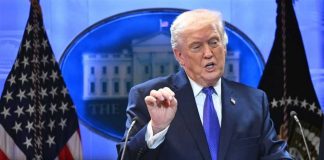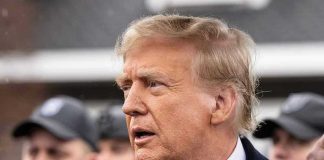

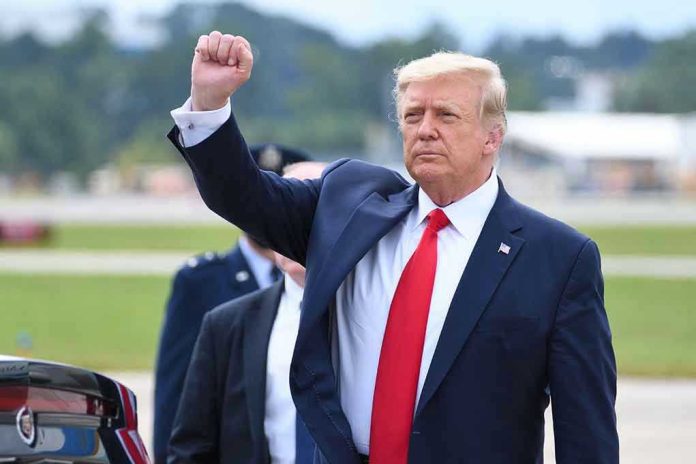
At a small Pennsylvania casino ballroom, President Trump used his first big 2026 midterm rally to lay out a rough, unapologetically America First playbook that both parties will now be forced to answer.
Story Snapshot
- Trump’s Mount Pocono rally, billed as an “affordability tour” kickoff, previewed the economic and cultural messages Republicans will carry into 2026.
- The President tied stubborn prices to Democrats’ Biden-era spending and globalist trade deals, defending tariffs as a tool to rebuild American industry.
- Media critics seized on his rhetoric about immigration and “lower standard of living,” signaling how Democrats plan to weaponize his words.
- Underlying the noise is a clear choice for voters: a protectionist, borders-first economy versus the pre-Trump status quo.
Affordability Tour Launches In Crucial Pennsylvania Test Ground
President Trump returned to the rally stage on December 9 at the Mount Airy Casino Resort in Mount Pocono, Pennsylvania, officially launching what aides are branding his affordability push for the 2026 midterms. The setting was not one of his old stadium spectacles but a smaller ballroom in a working-class swing region where families have felt the sting of years of inflation, higher health care costs, and wage pressure. Strategists see Pennsylvania as the perfect proving ground for a renewed America First economic argument.
Trump framed stubborn prices as the lingering bill for Biden-era excess: unchecked spending, green mandates, and open-border labor competition. He returned to a familiar contrast his supporters know well: an America of secure borders, energy dominance, and onshored manufacturing versus a globalist system that left small towns hollowed out. For many in the room who watched grocery bills and rent skyrocket under Democrats, the message resonated as a reminder that economic pain did not begin on his watch.
Tariffs, Industry, And The Fight Over Living Standards
A central pillar of the President’s argument was tariffs, which he again defended as the backbone of a worker-first trade policy rather than a cause of inflation. He pointed to factories, data centers, and energy projects being steered back onto American soil when foreign producers finally face real costs for exploiting U.S. markets. Critics in the media rushed to claim tariffs risk higher consumer prices, but they rarely mention the long-term security and better wages that come when production returns home.
Trump stirred controversy by warning that Americans may need to prioritize essentials like steel and heavy industry over cheap, disposable goods. Commentators quickly portrayed this as telling families to accept a “lower standard of living.” For many conservatives, the underlying point is different: a serious country sometimes trades endless trinkets for durable prosperity, good jobs, and independence from hostile regimes. The debate heading into 2026 will center on whether citizens prefer short-term convenience or long-term national resilience.
Immigration, Culture Wars, And Media Framing
As the rally moved beyond pocketbook issues, Trump returned to themes that defined his first political rise: illegal immigration, border security, and cultural upheaval. He blasted the continued arrival of migrants from unstable regions, tying uncontrolled immigration to wage pressure, crime concerns, and strains on public services already stretched by inflation. For an audience tired of seeing resources diverted from citizens to noncitizens, the line between economic and cultural issues has effectively disappeared.
Legacy outlets quickly branded the speech as grievance-driven and xenophobic, focusing on his harshest descriptions of source countries while downplaying the core concern about border chaos. That reaction matters politically: Democrats plainly hope to turn every immigration soundbite into evidence of cruelty, rather than grappling with overcrowded shelters, rising benefits costs, and the impact on working-class neighborhoods. Conservative voters watching from home see yet another example of media elites shielding failed policies by attacking the messenger.
Republican Jitters, Democratic Ammunition, And What Comes Next
Inside the Republican Party, the Mount Pocono event landed with mixed reactions. Some operatives quietly worry that emphasizing cultural combat over a tight affordability message could repeat past midterm frustrations, when economic anxiety was real but drowned out by noise. Others argue that Trump’s instincts still reflect the base: a fused narrative where inflation, immigration, crime, and woke ideology all spring from the same big-government, America-last mindset voters are desperate to reject after the Biden years.
Trump Goes Full MAGA at Pennsylvania Rally, Gives GOP Its 2026 Talking Pointshttps://t.co/uMQf50TQuL
— The Loedown!!! (@bolothethird) December 10, 2025
Democrats, meanwhile, are already clipping lines about a “lower standard of living” and sharp immigration language to build their 2026 attack ads, betting swing voters will recoil. The unanswered question is whether those voters blame Trump’s tariffs or remember who presided over the original price spike, border surge, and globalist drift. For conservatives, the rally signaled that, despite the critics, this White House intends to run head-on at the failures of the past decade rather than apologize for challenging them.
Sources:
Donald Trump rally Pennsylvania
Trump’s return to MAGA rallies is a flop
Trump downplays concerns about high prices at Pennsylvania rally