Seventeen people were hurt when a car sped into World Cup fans in Cabo San Lucas, and the video is raising hard questions about public safety, crowd control, and quick justice.
Story Snapshot
- Officials say 17 were injured, with at least one person seriously hurt [2].
- Verified videos show a black car accelerating into a dense crowd [2].
- Authorities detained the driver at the scene amid chaotic clashes [2].
- City statements and media use “rammed” and “plowed,” shaping public view [1].
What Happened In Cabo San Lucas
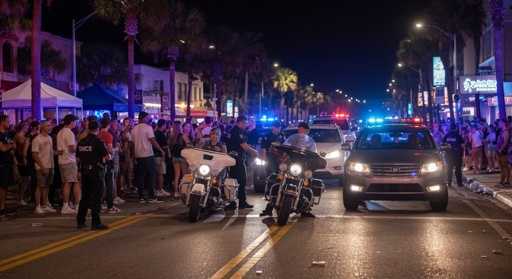
Local officials reported that a vehicle struck fans during street celebrations after Mexico’s World Cup win in Cabo San Lucas. The crowd wore national team colors and filled the roadway. Videos reviewed by major outlets show a black car surrounded by people before it accelerated forward, throwing some into the air and hitting barriers. Authorities said 17 people were treated, and at least one person suffered serious injuries. Police took the driver into custody at the scene [2].
Several outlets labeled the act as a car “ramming” or “plowing.” Those words suggest intent, which is a key legal issue and a powerful cue for the public. The same videos also show bystanders pulling the driver from the vehicle and beating them after the impact. That response shows how fast crowds can turn violent in panic and anger, and how quickly facts can get buried by shock and fear in the moment [1].
Competing Claims About Intent And Pressure
Videos show the car moving sharply into people, which supports the claim of a forceful impact. That is a major factor for prosecutors and for the public. At the same time, reports describe the vehicle as surrounded just before the surge, which aligns with claims the driver felt blocked or under pressure. No sworn statement from the driver has been released, and no dashcam or car data has been shared. Those gaps keep the exact motive and decision process unclear today [2].
Los Cabos officials and national media framed the event as a ramming. That framing often sticks early and is hard to undo. It can also shape charging decisions. But legal questions hinge on intent, fear, escape options, and proportional force. Without the driver’s statement, car telemetry, and full, unedited footage from several angles, it is hard to judge whether the surge was deliberate harm or a reckless, panicked move in a tight crowd [1].
Why These Incidents Keep Happening
Large street parties put people in traffic lanes with little control. One mistake or one angry act can ripple fast. Experts say vehicle-into-crowd events have risen in recent years because cars are common, access is easy, and dense crowds create high risk and confusion. In similar cases worldwide, early labels set the tone while facts trickle out slowly. That mismatch feeds public distrust across the spectrum and leaves victims and the accused in a long, bitter process [16].
Simple fixes exist but are often ignored. Cities can close streets, add sturdy barriers, and direct traffic away from crowds. Police can pre-stage tow trucks and medics. Event rules can ban vehicles from party routes and set clear detours. These steps cost time and money, and leaders often delay them. When they do, regular people pay the price, and the public sees another failure to deliver basic safety while officials focus on press lines and blame games.
What To Watch Next
Watch for a formal police timeline, a clear injury list, and any public release of longer video. Look for a sworn statement from the driver and any car computer data that shows speed and throttle before impact. Those details will shape charges and public trust. Prosecutors will lean on the videos and injuries. The defense will point to crowd pressure and blocked lanes. The truth may sit in the seconds just before the surge, which only better evidence can explain [2].
How This Fits The Bigger Picture
People on the left and the right worry that basic systems are not working. They see crowded streets without barriers, slow planning, and fast spin after disaster. They see officials rush to a headline before sharing proof. This case taps those fears. The fans wanted a safe win party. The injured want answers. The public wants fair facts, not a script. Leaders must show the receipts: full video, data, and policies that prevent the next crash, not just harsher words [1].
Sources:
[1] Web – 17 injured after man rams car into Mexican soccer fans in Cabo San …
[2] Web – Car rams through crowd of Mexico soccer fans in Cabo San Lucas …
[16] Web – Flash: Vehicle struck people at a gathering in Cabo San Lucas …