President Trump’s vow to “cut off all trade with Spain” over NATO and Iran turns a long‑running distrust of global elites into a real test of how much power one man in Washington truly has over the entire U.S. economy.
Story Snapshot
- Trump twice told aides to end all U.S. trade and “business” with Spain, calling it a “terrible” NATO partner.
- The clash began after Spain refused to let U.S. forces use joint bases for strikes on Iran, citing international law.
- Legal limits on tariffs and European Union rules make a full trade cutoff far harder than Trump suggests.
- Any deep rupture with Spain would hit workers, farmers, and businesses on both sides more than political elites.
What Trump Said And Why Spain Became A Target
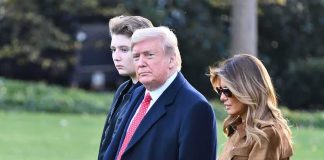
President Trump first threatened to “terminate all trade with Spain” during an Oval Office meeting with German Chancellor Friedrich Merz, saying “we don’t want anything to do with Spain” and calling the country “terrible.” He renewed that threat at a NATO summit in Ankara, turning to Treasury Secretary Scott Bessent and ordering him to halt “all dealings” and “business” with Spain. Trump tied these threats directly to Spain’s refusal to raise defense spending to five percent of its economic output and to support U.S. and Israeli military actions against Iran.
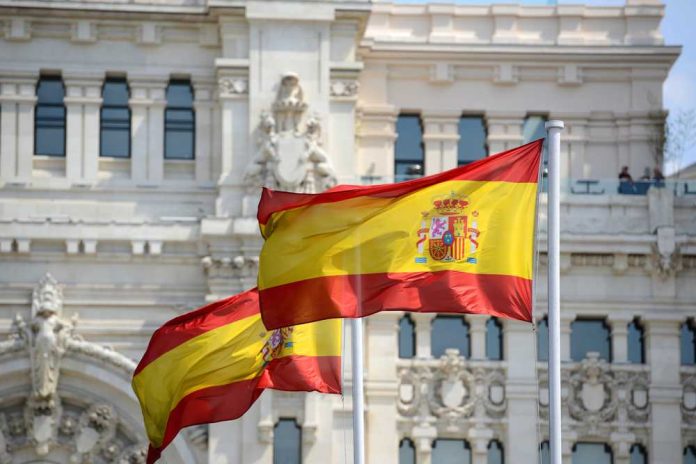
Spanish Prime Minister Pedro Sánchez’s left‑leaning government had refused to let the United States use two joint bases, Morón de la Frontera and Rota, for strikes on Iran, saying operations must fit United Nations rules and international law. Spanish officials stressed that, even though U.S. forces operate from these bases, they remain under Spanish control, and no support “of any kind, absolutely none” was given for Iran attacks. After Madrid’s decision, U.S. tanker aircraft were moved to bases in Germany and France, showing Spain would enforce its sovereignty even against a powerful ally.
🚨Trump says US is cutting off all trade with Spain
⁰“I don’t want anything to do with Spain.”Quick facts:
⁰• 2025 trade: ~$74.5 billion total
⁰• US exports to Spain: ~$39B
⁰• US imports from Spain: ~$35B
⁰(Spain is just ~0.5% of US trade)Big items: Oil/chemicals from… https://t.co/K5xdgeBPNs
— BothSides_E (@BothSide_E) July 8, 2026
How Much Power Trump Really Has To Cut Off Trade
Trump told reporters he could “tomorrow, or today, even better” stop “everything having to do with Spain,” including all business, and said “embargoes, I can do anything I want with it.” Bessent backed him and pointed to Supreme Court rulings as proof the president has broad embargo authority. But earlier court decisions already struck down tariffs Trump imposed under a major emergency economic law, forcing the White House to lean on narrower trade tools that have strict limits on how high tariffs can go and how long they can last without Congress.
Trade with Spain is also bound up in Europe‑wide rules, not just a single national deal. Spain is part of the European Union, which runs a common trade policy and does not let Washington single out one member without hitting the wider bloc. If the United States tried to slap tariffs only on Spanish goods, companies could route exports through other European Union states, blurring the target. Experts say Trump could use sanctions lists or export controls to hit certain Spanish firms, but a true all‑out embargo on an ally inside the European Union would be messy, slow, and open to legal attack under existing agreements.
Spain’s Legal And Moral Case Against The United States
Spain’s leaders have replied that they are not freeloaders but are meeting NATO duties and following international law in the Iran conflict. Foreign Minister Jose Manuel Albares said bases will not be used “for anything beyond the agreement or inconsistent with the United Nations,” framing the choice as a matter of legal promises, not personal dislike of Trump. Defense Minister Margarita Robles added that Spain would give help only for missions backed by global rules, and that U.S. and Israeli strikes were carried out without an international resolution.
Spain also says it has the legal right to decide how foreign forces use bases on its soil. A long‑standing agreement with Washington gives Madrid a clear say over U.S. operations launched from Spanish territory. That undercuts Trump’s claim that America can “just fly in and use” those bases without permission. For many people in both countries, this fight looks less like a clear good‑versus‑bad story and more like two governments using legal language to cover deeper political anger over war, sovereignty, and who gets to call the shots inside NATO.
What A Real Break With Spain Would Mean For Ordinary People
If Trump’s words turned into a hard embargo, the pain would not land mainly on presidents, ministers, or generals. Spain sells olive oil, auto parts, steel, chemicals, and petroleum products into the United States, and U.S. farmers, energy firms, and manufacturers ship goods the other way. Cutting those ties would threaten jobs, raise costs, and squeeze small businesses that never had a say in decisions about Iran, NATO, or military bases but depend on trade to survive.
Many Americans on the right and left already feel that elites in Washington, Brussels, and big corporations play global games while regular citizens pay the bill. This episode feeds that fear. Trump’s supporters may cheer a tough stand against what he calls a “terrible” partner, while critics see another risky move that could backfire on workers and deepen the sense that the United States is isolated. In both camps, people share one worry: leaders are wielding huge economic weapons over foreign disputes without a clear plan to protect the American Dream at home.
Sources:
insiderpaper.com, apnews.com, aljazeera.com, youtube.com, bbc.com